Documenting IMEI & serial numbers: your best protection in a warranty case
When a customer complains, only what's documented counts. Why phone and e-scooter workshops should track serial numbers without gaps — and how to do it without extra effort.

“The display you installed was broken from the start.” Sentences like that come up in every workshop — months after the repair, often with emphasis. Whoever then has only a folder of delivery notes and their memory loses the argument. Whoever documented the serial number ends it in thirty seconds.
Why the number is so powerful
A documented serial or IMEI number answers the three questions every dispute revolves around:
- Is this even the part we installed? Swap fraud — where a different, older part is brought in for complaint — is exposed immediately.
- When was it installed? Warranty and guarantee periods can be proven to the exact date.
- Where did it come from? For a return to the supplier you need exactly this chain.
Without documentation it’s one statement against another — and in case of doubt the workshop pays as a goodwill gesture.
The unbroken chain: receipt → installation → handover
The number is documented correctly when it’s captured at three points:
- At goods receipt: the part enters stock with its serial number scanned — from now on it’s known unit by unit, not just as a quantity.
- At installation: the number moves to the job — and with it to the customer’s device. For phones, the IMEI of the device itself should be captured too.
- At handover: a final scan closes the chain from supplier to customer.
Sounds like effort? It isn’t, when scanning is part of the normal workflow: a handheld scanner or phone camera, two seconds per part. In SimpliServ, serial-number tracking runs exactly along this chain — receipt, job, delivery.
The side effect: the device tells its story
Whoever captures numbers consistently gets more than dispute protection. A history forms for each device: when was the scooter last in, what was swapped, which battery is inside it? When the customer calls, you know it before they do — and the customer history turns “hold on, let me look” into “I can see right here, that was in March.”
The photo documentation at intake belongs to the same chain of evidence too: record the condition before there’s any argument.
Conclusion
Serial-number tracking is the cheapest legal-protection insurance a workshop can have: two seconds of scanning per part against hours-long disputes and goodwill payments made out of a lack of evidence. The prerequisite is a system that keeps the chain automatically — from goods receipt to handover.
Keep reading
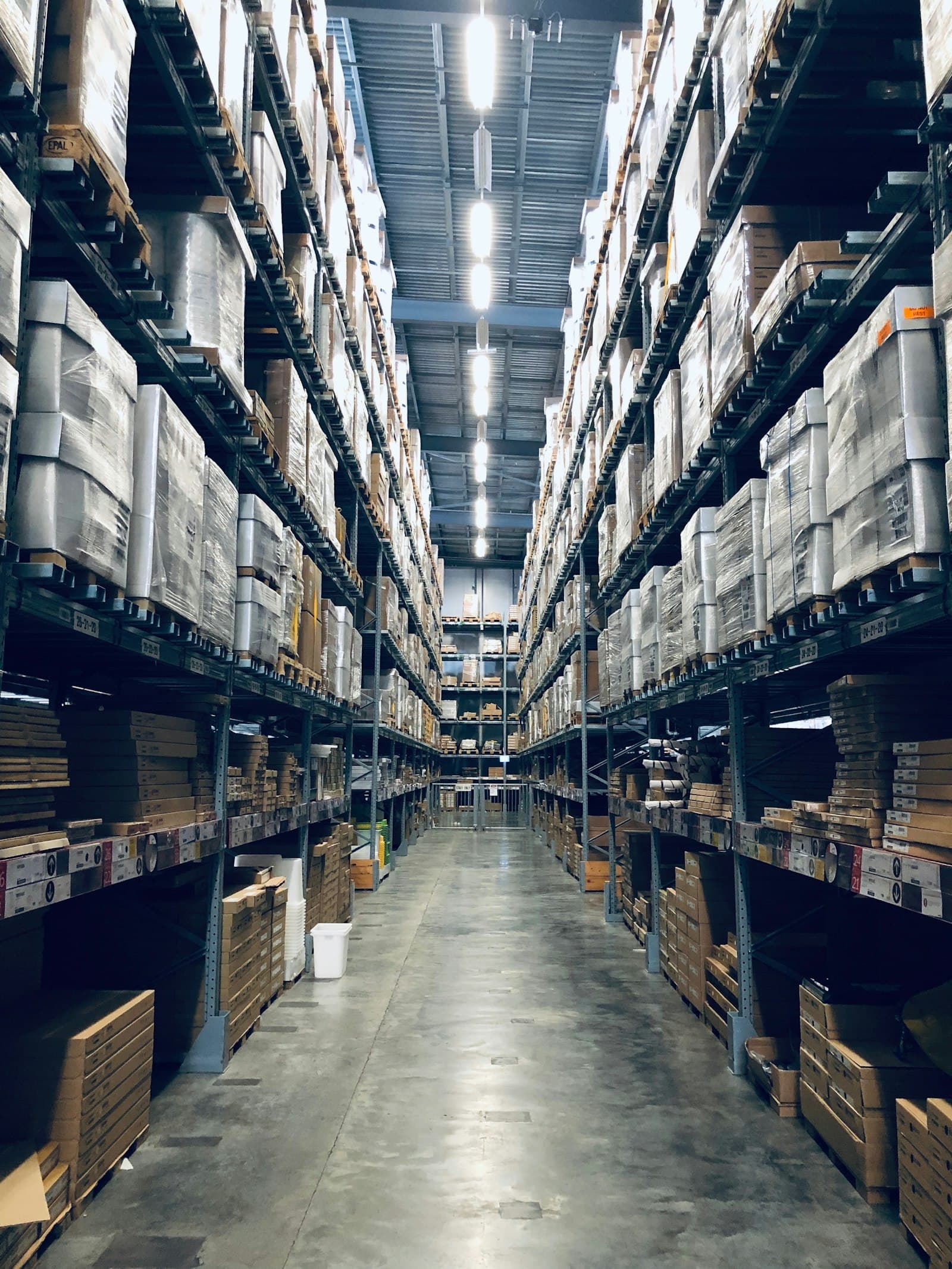
Organizing your spare-parts stock: an end to "it should really be here somewhere"
Missing spare parts are the most common reason for stalled jobs. Here's how repair businesses organize their stock with clear storage locations, clean movements, and automatic deduction.
Read article
Time tracking in the workshop: legal duty, daily practice, and the time clock on a tablet
Working hours have to be documented — in Austria as in Germany. What applies to small businesses, and how a tablet time clock turns the obligation into an afterthought.
Read article
These 6 metrics every workshop owner should know
Gut feeling is no business model. Six metrics that show how your repair business is really doing — and where to get them without Excel.
Read articleReady for less paperwork?
Start for free or get advice with no obligation. We set everything up — you carry on with the repairs.
14-day free trial · Setup included · Cancel any time