Safety holds in repair work: secure the item, then decide
A practical workshop workflow for items that should not simply move to the next step: identify, isolate, record the observation and assign the decision.
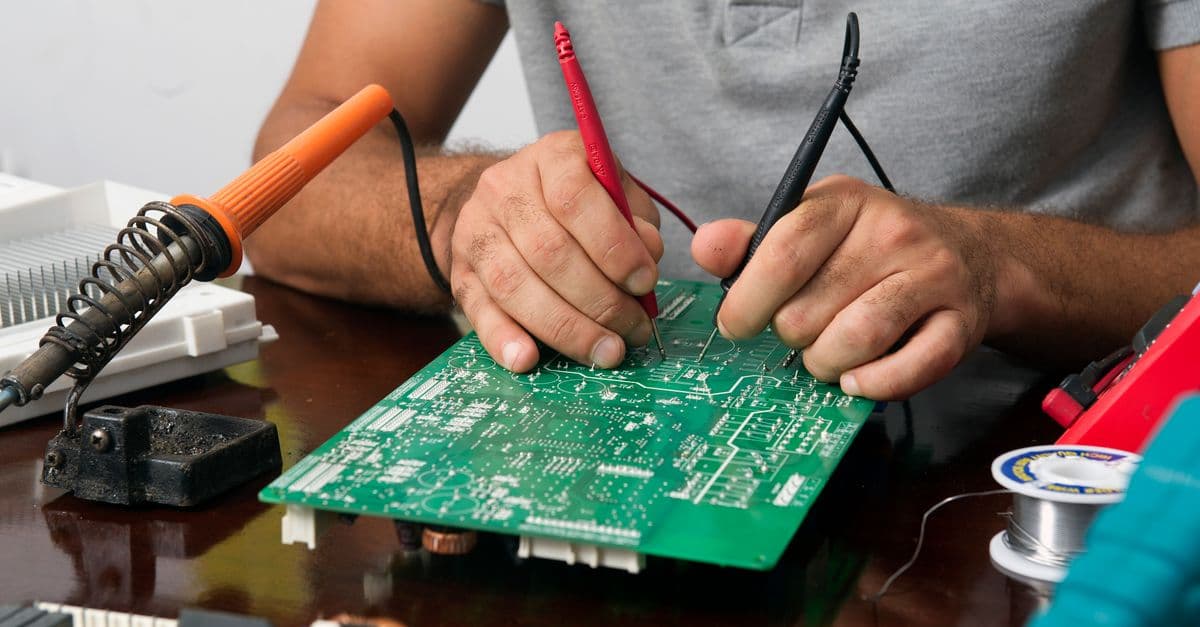
Not every repair job should simply move to the next station. An unusual smell, damaged cable, suspect battery or result that makes no sense first needs a safe interim state. A safety hold is not a diagnosis. It prevents someone from continuing under time pressure while responsibility and the next step are still unclear.
This is an operational pattern, not a substitute for manufacturer instructions or site rules. The HSE introduction to risk assessment describes the useful underlying sequence: identify hazards, assess risk and choose appropriate controls.
Four details make a hold actionable
| Detail | Brief entry | Why it matters |
|---|---|---|
| Item | job number, device or component | prevents mix-ups |
| Observation | seen, measured or reported by the customer | separates fact from assumption |
| Immediate action | use stopped, area marked, accessory separated | describes the safe state |
| Decision | responsible role and due time | prevents an indefinite “later” |
A hold is not a reason to write “dangerous” when the only fact is a split cable sheath. Record the observable condition instead: “insulation torn at power lead; do not switch on; technical lead to review by 15:00.” It can be checked and handed over without exaggeration.
Make the physical and job status agree
A label is not enough when the item still appears available in the job record. A digital note is not enough when the item remains open on a bench. Join both sides of the workflow:
- Isolate the item or area under your own safety procedure.
- Set the job status immediately.
- Capture the observation and time in a short note.
- Assign one role to release or escalate it.
- Update the status and marking together after the decision.
Keep the wording clear across countries
German and Austrian teams may say Sperrung or Außerbetriebnahme; French teams may use mise hors service, Spanish teams fuera de servicio. Czech, Croatian, Slovenian and Turkish teams should use an equally unambiguous local term. The wording matters less than everyone understanding: do not use, do not pass on, decision pending.
Technical rules, reporting paths and formal records depend on the product, workplace, contract and country. For cross-border work, keep a neutral core: observed condition, protective action, date, responsible role and agreed release path. This is not safety or legal advice.
A good safety hold does not turn an uncertain finding into drama. It creates a controlled handover point and gives the team time to involve the right person.
Keep reading
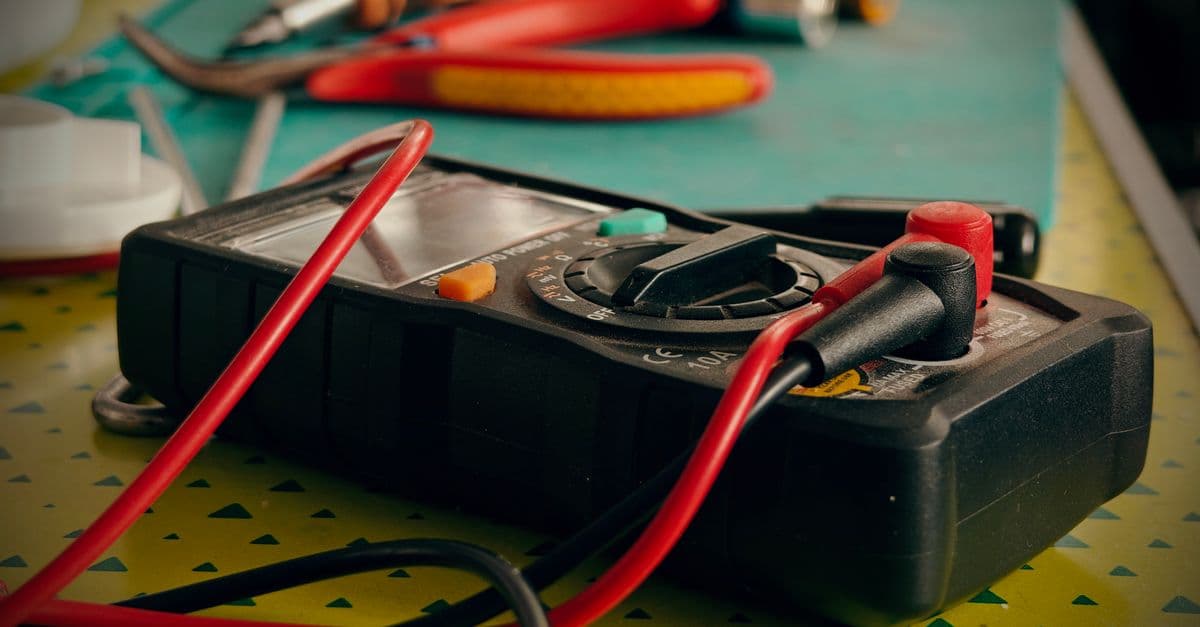
Diagnosis before a quote: document findings without inflating the job
A lean workshop workflow for recording symptoms, test results and open questions so that quotes, approvals and repairs stay aligned.
Read article
Repair intake accessories: record them clearly, return them confidently
A practical workflow for chargers, keys, adapters and loose parts, so the workshop and customer start from the same documented handover.
Read article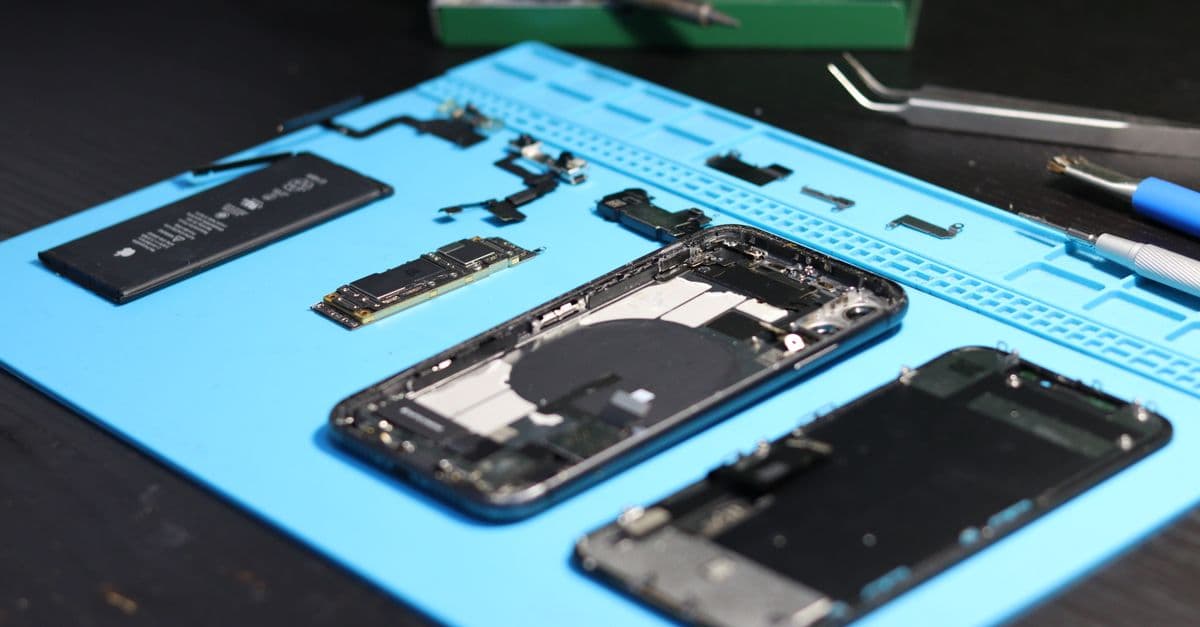
Repair photos without data clutter: A clear workshop routine
How repair businesses can document condition with photos, avoid unnecessary personal and device data, and keep images organised with the work order.
Read articleReady for less paperwork?
Start for free or get advice with no obligation. We set everything up — you carry on with the repairs.
14-day free trial · Setup included · Cancel any time