Repair intake accessories: record them clearly, return them confidently
A practical workflow for chargers, keys, adapters and loose parts, so the workshop and customer start from the same documented handover.
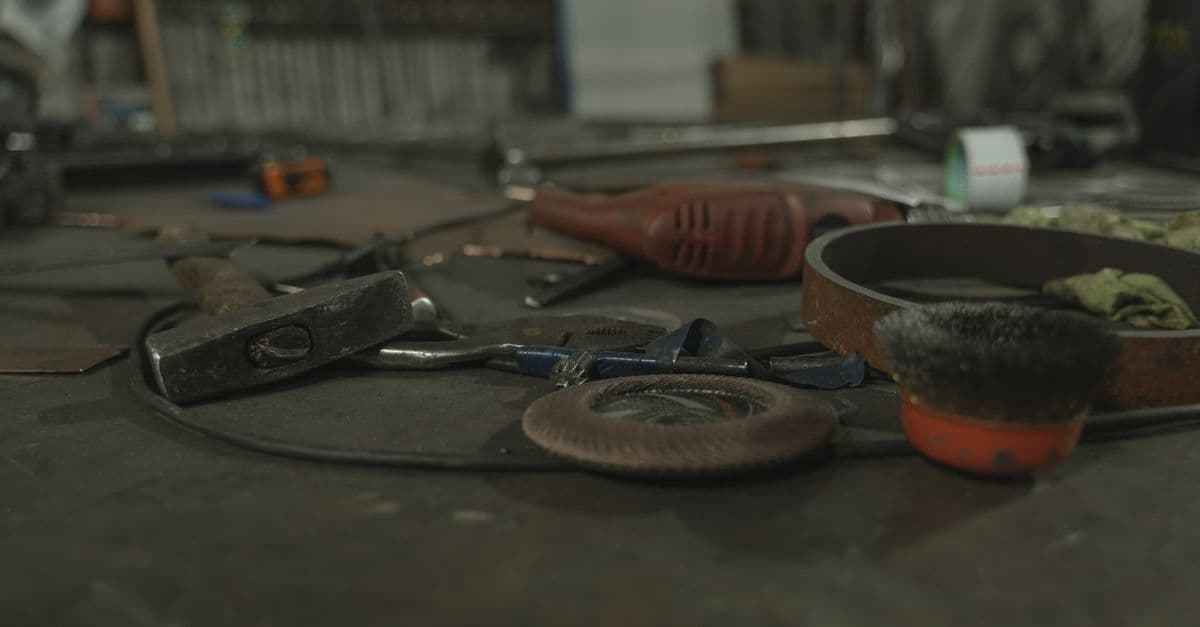
A repair order starts before diagnosis: it starts with establishing what arrived alongside the item. A charger, power supply, key, remote, adapter, case or loose fastener may be needed for testing. It can also become the source of an avoidable collection-day dispute if it was never recorded.
A short accessory check is not extra bureaucracy. It simply documents what was handed over and its observable condition.
Three questions at the counter
| Question | Example | Useful entry |
|---|---|---|
| What was handed over? | Device, USB-C power supply and cable | specific item and quantity |
| Why is it present? | Power supply needed for charging test | “for test” or “not required” |
| Where is it kept? | Job bag or numbered shelf | job reference and location |
Photos are not automatically necessary. They can help with visible damage or an unusual bundle; otherwise, a precise text note is often enough. Organisations processing personal data in the EU should limit records to what is necessary for the purpose, as reflected in GDPR Article 5. This operational guidance is not legal advice.
Separate accessories from the item, not from the job
Loose parts should not disappear onto a bench. A labelled pouch or job-numbered tray is often sufficient. The essential control is the link between item and order, not a sophisticated storage system.
Make cross-border handovers readable
Teams may use local wording: accessoires remis in French, accesorios entregados in Spanish, předané příslušenství in Czech, predana dodatna oprema in Croatian and Slovenian, and teslim edilen aksesuarlar in Turkish. The label can be local; the record should still name the item, quantity, condition and location.
Whether an intake receipt, consent or particular deadlines apply depends on the contract, sector and local law. For cross-border work, a concrete inventory is therefore more useful than writing “complete”. It gives the technician and the customer the same starting point without suggesting that one internal note settles every contractual question.
Keep reading
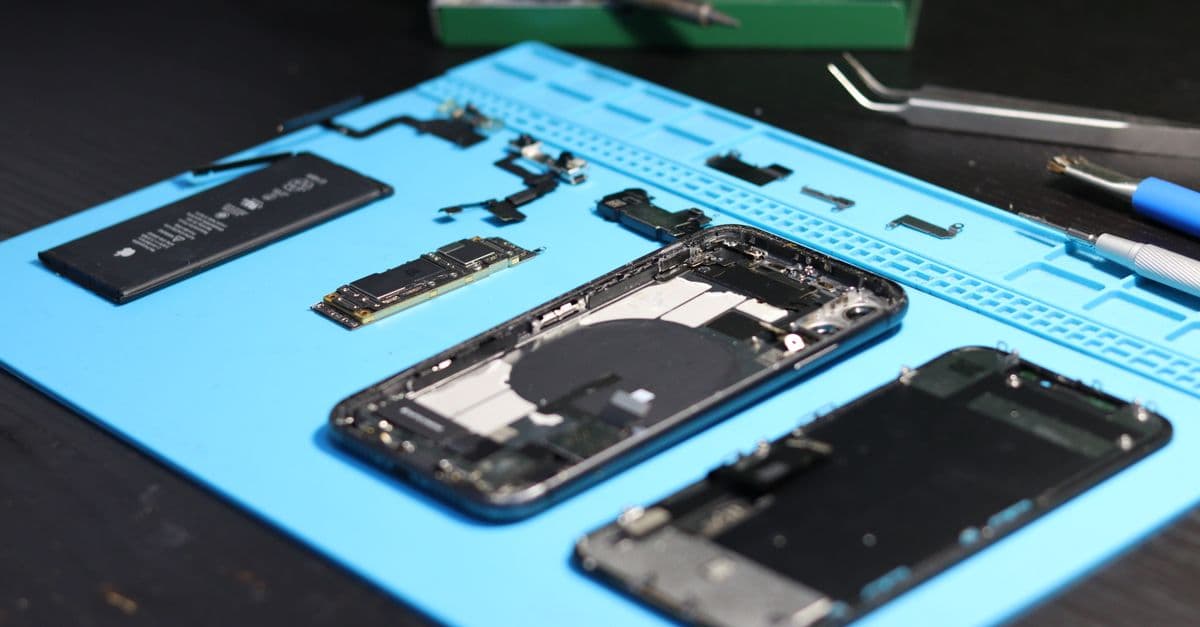
Repair photos without data clutter: A clear workshop routine
How repair businesses can document condition with photos, avoid unnecessary personal and device data, and keep images organised with the work order.
Read article
SimpliServ or ETRON onRetail? POS with inventory management meets workshop software
ETRON and SimpliServ compared: POS packages and pricing, inventory management, fiscal compliance, repair jobs and the customer portal — with a decision guide for retail and service.
Read article
SimpliServ or famowa? Retail inventory software meets workshop software
famowa and SimpliServ compared: retail inventory management with POS versus job-driven workshop software — features, price transparency, rollout and a clear decision guide.
Read articleReady for less paperwork?
Start for free or get advice with no obligation. We set everything up — you carry on with the repairs.
14-day free trial · Setup included · Cancel any time