Diagnosis before a quote: document findings without inflating the job
A lean workshop workflow for recording symptoms, test results and open questions so that quotes, approvals and repairs stay aligned.
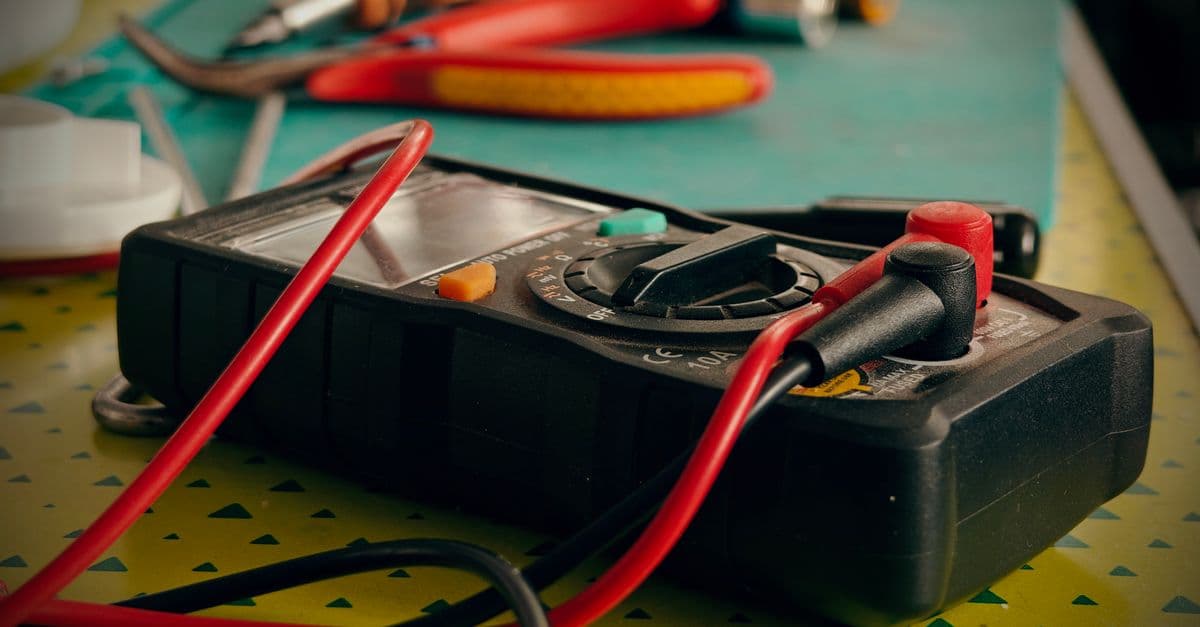
A quote is easier to trust when the diagnosis does not live only in the technician’s memory. That does not mean logging every movement. It means retaining the information that later explains why work was proposed and which assumptions remain open.
This helps both sides. A colleague does not have to rediscover the diagnosis when a job changes hands. The customer gets a comprehensible basis for a decision rather than a line item with no context. Where several faults could produce the same symptom, a short finding also stops a working theory from sounding like a guaranteed outcome.
Put the finding before the price
A useful note separates observation, test and decision. Five fields are enough for many repairs:
| Field | Example | Why it matters |
|---|---|---|
| Reported symptom | “Charges only when the cable is held at an angle” | preserves the starting point |
| Visual check | Port loose; no visible case damage | separates what is seen from assumptions |
| Test performed | Tested with a known-working power supply | makes the method clear |
| Finding | Intermittent connection reproduced | records a finding, not a hunch |
| Next step | Replace port; test again after fitting | joins diagnosis to the quote |
Record measurements when they affect a decision: voltage, continuity or an error code, for example. A long list of numbers without context seldom helps. “12.1 V at the input, supply connected” is more useful than a number on its own because it states point, unit and condition.
Mark assumptions as assumptions
Before disassembly or deeper testing, the precise cause may not be certain. That is normal. The risk starts when a preliminary assessment reads like certainty in the quote.
Use plain wording such as “findings indicate …; final check after …” or “price assumes that …”. If a further defect appears after approval, the original record shows what was checked and why another conversation is necessary.
Keep country context in view
The operational principle travels well: the quote, approval and invoice should describe the same job clearly. Whether an estimate is binding, which information duties apply and how changes must be agreed depends on the contract, the trade and local law.
For businesses in Germany, Austria, France, Spain, Czechia, Croatia and Slovenia, the EU consumer-protection framework is a useful starting point; the European Commission explains consumer rights. EU rules do not apply directly in Türkiye, where a business should check its own contract wording and applicable local rules. This is practical guidance, not legal advice.
For cross-border jobs, keep the record especially factual: the finding’s language, unit used, date, test step and agreed communication channel. That makes it less likely that a short technical note is later read as a legal promise.
Make the note a handover point
Store the finding with the quote, approval and repair order—not only in a private chat or on a loose sheet. The next person can then see what was tested, which parts were proposed and what limit was agreed for further work.
A good diagnostic record does not promise a perfect prediction. It makes uncertainty visible, preserves the test path and gives a quote a clear beginning. That is enough to keep a small repair job moving without making it vague.
Keep reading
Repair intake accessories: record them clearly, return them confidently
A practical workflow for chargers, keys, adapters and loose parts, so the workshop and customer start from the same documented handover.
Read article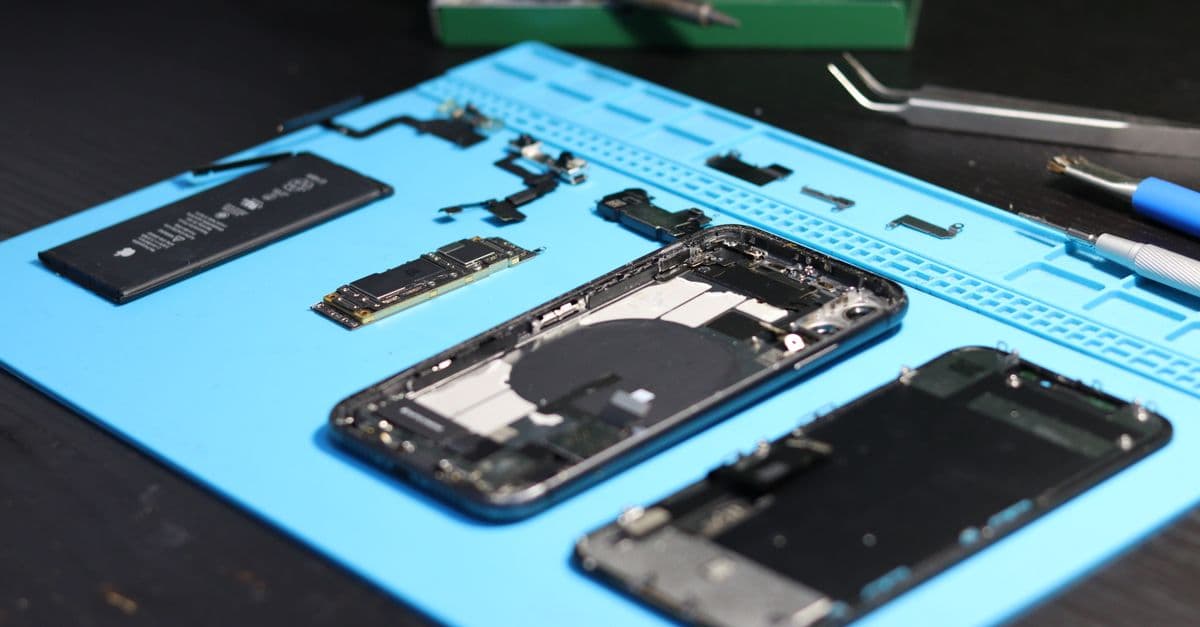
Repair photos without data clutter: A clear workshop routine
How repair businesses can document condition with photos, avoid unnecessary personal and device data, and keep images organised with the work order.
Read article
SimpliServ or ETRON onRetail? POS with inventory management meets workshop software
ETRON and SimpliServ compared: POS packages and pricing, inventory management, fiscal compliance, repair jobs and the customer portal — with a decision guide for retail and service.
Read articleReady for less paperwork?
Start for free or get advice with no obligation. We set everything up — you carry on with the repairs.
14-day free trial · Setup included · Cancel any time