Ready for collection: hand over repairs without a queue
A practical workflow for notifications, reminders and documented collection in small workshops.

A completed repair is not yet a completed job. When a device, bicycle or vehicle stays on site longer than necessary, it takes up space, invites follow-up calls and makes the next handover harder. A dependable collection workflow therefore starts with a reliable status change in the job record, not with a reminder.
Confirm completion before sending the notice
Set a job to “ready for collection” only after the agreed work is complete, the result has been checked and the handover can be prepared. If a test, price clarification or accessory is still outstanding, a progress update is more honest than an early collection invitation.
| Status | Team check | Customer message |
|---|---|---|
| In progress | The next work step is known | Update only when a delay matters |
| Final check | Function, job details and billing are reconciled | Do not promise collection yet |
| Ready for collection | Result, price and collection point are clear | Send a specific collection notice |
| Collected | Identity, payment and handover are complete | Close the job |
Keep the first message short and specific
A collection notice does not need a long report. It should answer four questions: what is ready, where can it be collected, when is collection possible, and what should the customer bring? For example: “Your repair is ready for collection. Please collect it from reception during our opening hours and bring your job reference. Reply to this message or call us if you need help.”
Do not leave extra charges, open decisions or special handover steps until the counter conversation. If an invoice needs clarification, say so before collection. That keeps “ready” from being understood as a surprise-free finish when it is not.
Remind without pressuring
A reminder helps when the item is using valuable space or a timing point matters. It should stay courteous and should not invent a new obligation. Instead of “You must collect today,” try: “A quick reminder that your repair is ready for collection. If another time works better, please let us know.”
Terms about storage charges, deadlines or ownership need particular care. In the UK, Ireland, the United States and Canada, as well as in EU markets, the applicable contract and consumer rules can differ. Use only wording that matches your own reviewed terms and local law. This is operational guidance, not legal advice.
Make exceptions visible
Some jobs need more than a standard text: an unreachable customer, a missing charger or a required explanation of use should become a clear task in the record. Decide who follows up and by when. A central record then keeps a delayed collection from becoming a puzzle for the next shift.
Conclusion
Good collection communication is a small repeatable process: check, notify clearly, remind traceably and close cleanly. It reduces blocked space and follow-up questions. More importantly, every team member can see what has already been said and what still needs doing.
Keep reading
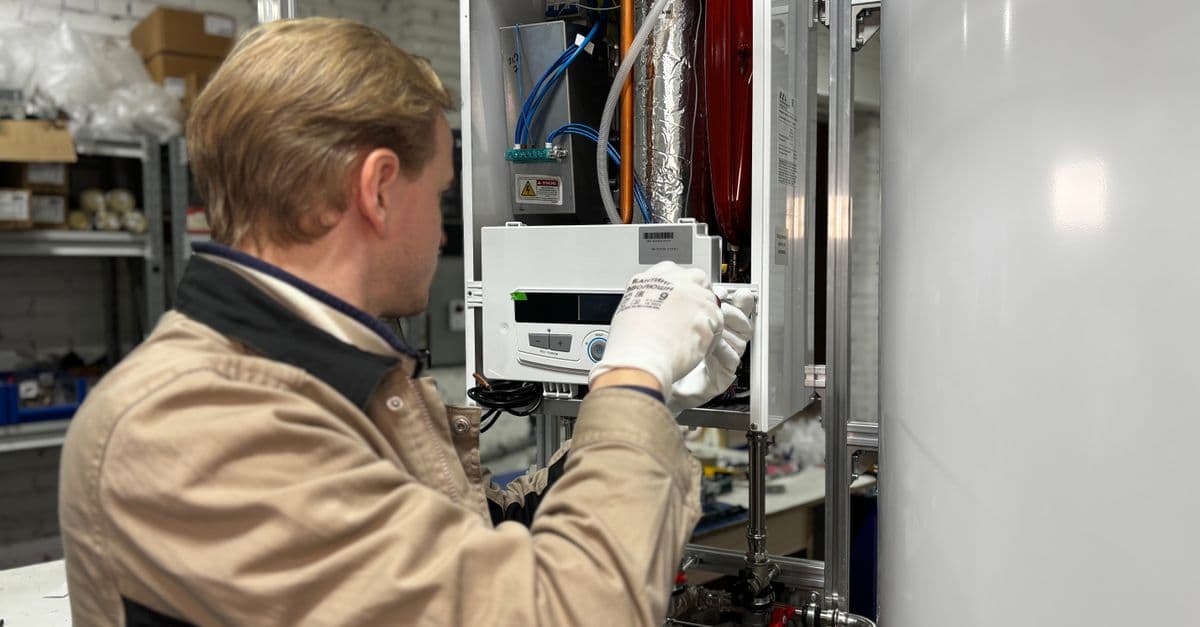
Serial numbers at repair intake: identify the device without collecting excess data
When a serial number genuinely helps, how to match it to a job, and how a small team can keep the record proportionate.
Read article
Customer-supplied parts: a clear workshop process
How repair businesses can assess, document and communicate about customer-supplied parts without premature promises.
Read article
Final functional checks before collection: a calmer last step in repair work
A short, recorded final check helps repair businesses prevent avoidable collection questions and explain results clearly.
Read articleReady for less paperwork?
Start for free or get advice with no obligation. We set everything up — you carry on with the repairs.
14-day free trial · Setup included · Cancel any time