Final functional checks before collection: a calmer last step in repair work
A short, recorded final check helps repair businesses prevent avoidable collection questions and explain results clearly.
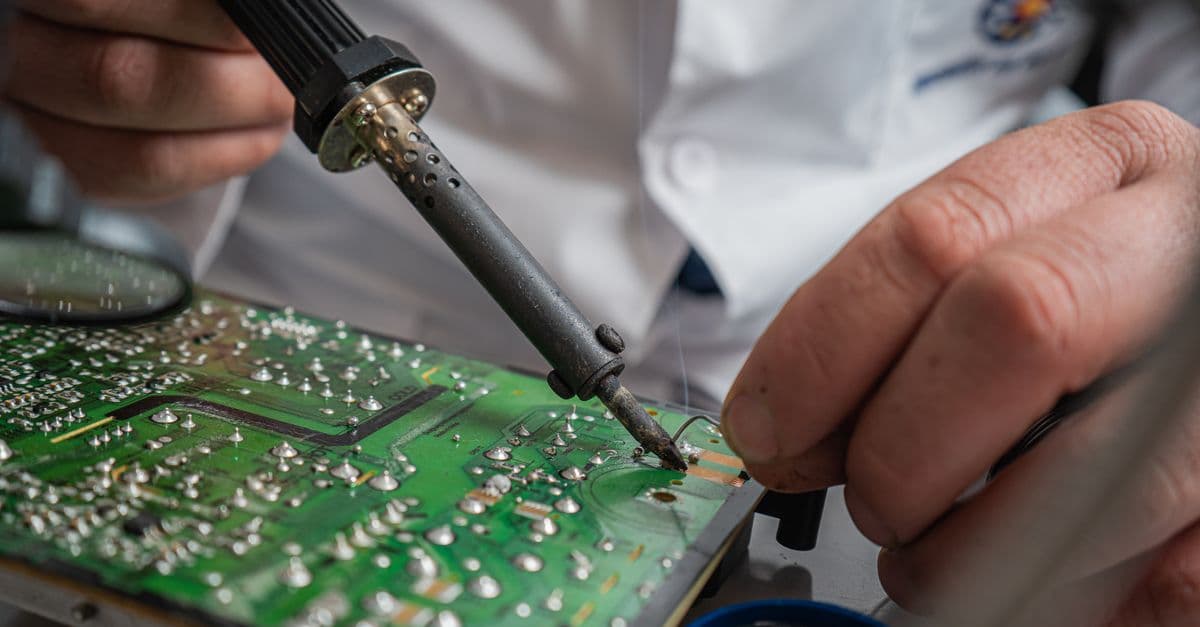
A repair is not automatically ready for collection when a part has been fitted. The final functional check connects the technical work to handover: the team checks the agreed job, records the result and can clearly say what was tested — and what was not.
Let the job define the check
Do not begin with a vague “everything is fine” test. Open the job and compare the reported fault, the agreed work and the available test conditions.
| Check area | Record briefly | Example |
|---|---|---|
| Original issue | Reproduced or not reproducible | Charging function checked |
| Work completed | Fitted, adjusted or cleaned | Socket replaced |
| Final test | Method and outcome | Cable test passed |
| Open point | What could not be tested | Long-term test pending |
This avoids an artificial quality promise. A device without its usual accessory, or a vehicle with no safe road-test option, needs a different test that is documented transparently.
Three layers before “ready for collection”
First: the agreed function. Check the fault that opened the job. Second: the work itself. Are fasteners, covers and connectors correct; have tools and protective materials been removed? Third: handover. Do the device, accessories, removed parts and documents actually belong to this job?
A result that remains clear at the counter
Technical notes can be precise. The collection message should instead give the customer a next step. In the UK and Ireland, “ready for collection” is familiar; elsewhere, a short invitation to the agreed handover may read more naturally. The principle is the same across Germany, France, Spain, Czechia, Türkiye, Croatia and Slovenia: use the language agreed with the customer and explain jargon.
A short message is enough: “The agreed function has been checked. At collection, we will briefly explain the result and any open notes.” Do not make blanket promises about warranty, cause or future durability; these depend on the job and applicable rules.
Why this step saves time
A consistent final check reduces interruptions because questions are answered before the customer reaches the counter. It also supports shift changes: the person preparing collection can see what was actually tested. One central job record — digital or paper — matters more than a long closing message.
Keep reading

Defining a repair job: consent, diagnosis and extra costs
A country-aware workflow for repair businesses: agree what is inspected, what may cost money and when a new approval is needed.
Read article
Card payments during an internet outage: a calm plan for service counters
A practical, country-aware routine for a payment-terminal interruption: check the facts, communicate clearly, protect records and reconcile later.
Read article
Parts recall traceability: a practical workflow for repair businesses
Record part numbers, suppliers and installation locations so a parts alert stays a targeted task rather than a crisis.
Read articleReady for less paperwork?
Start for free or get advice with no obligation. We set everything up — you carry on with the repairs.
14-day free trial · Setup included · Cancel any time