Serial numbers at repair intake: identify the device without collecting excess data
When a serial number genuinely helps, how to match it to a job, and how a small team can keep the record proportionate.
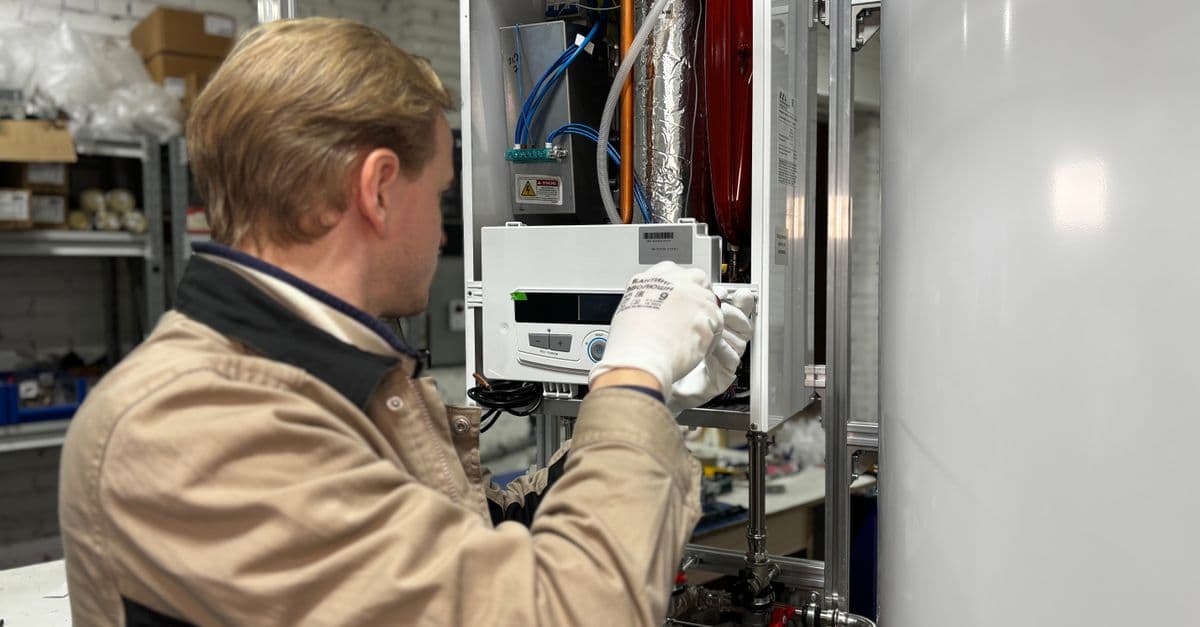
A serial number is useful when it removes doubt about which device belongs to a job. That can matter when several units look alike, a customer collects an item later, or a part and test record must be traced. It does not mean that every available identifier needs to be copied.
Start with the purpose
Record the number only for a defined reason.
| Situation | A proportionate record |
|---|---|
| Intake | Make, model, serial number and visible condition |
| Part or warranty check | Serial number plus the relevant fault description |
| Collection | Match the job, device and any accessories |
If the number already appears in a condition photo, decide whether a second transcription adds value. Clear identification, not maximum data collection, is the goal.
A four-step counter routine
- See the device. Match the make and label to the job while the customer is present.
- Capture it legibly. Type the number or take a tightly framed detail photo; clarify uncertain characters immediately.
- Confirm it back. Briefly say which device has been accepted.
- Match it again at collection. Check the job, item and accessories together.
A “not present / not readable” status is safer than guessing a character. It keeps the issue visible without stopping the intake.
Keep data protection practical
A serial number is not automatically personal data. But when it is stored with a name, contact details or a repair job, it can form part of a personal-data record. Purpose limitation and data minimisation in Article 5 of the GDPR are a useful operational baseline. For EU-based businesses, avoid personal-phone photos and purposeless free-text copies, and give the team a clear access path. Retention periods depend on the contract, receipt and local requirements.
Country-aware operations
The GDPR applies directly across the EU, including Ireland and Malta; the UK has its own UK GDPR framework. Businesses serving customers across borders should not assume that an invoice-retention rule is also a reason to retain every device identifier. Keep the repair record focused, then check the applicable contract, tax and privacy rules for the business location.
Common questions
Is the model name enough?
For one unmistakable item, it may be. A serial number is more useful for identical units or a later warranty check.
Must the number appear on the customer receipt?
Only if it helps identification or handover. A short comparison at collection may be enough.
A good intake record is calm and repeatable: capture only what makes the next step unambiguous, then check it again when the device changes hands.
Keep reading
Customer-supplied parts: a clear workshop process
How repair businesses can assess, document and communicate about customer-supplied parts without premature promises.
Read article
Final functional checks before collection: a calmer last step in repair work
A short, recorded final check helps repair businesses prevent avoidable collection questions and explain results clearly.
Read article
Defining a repair job: consent, diagnosis and extra costs
A country-aware workflow for repair businesses: agree what is inspected, what may cost money and when a new approval is needed.
Read articleReady for less paperwork?
Start for free or get advice with no obligation. We set everything up — you carry on with the repairs.
14-day free trial · Setup included · Cancel any time