Documenting a battery diagnostic: from measurement to a clear repair recommendation
A traceable workshop workflow for recording the method, starting condition, result and next decision of a battery check.
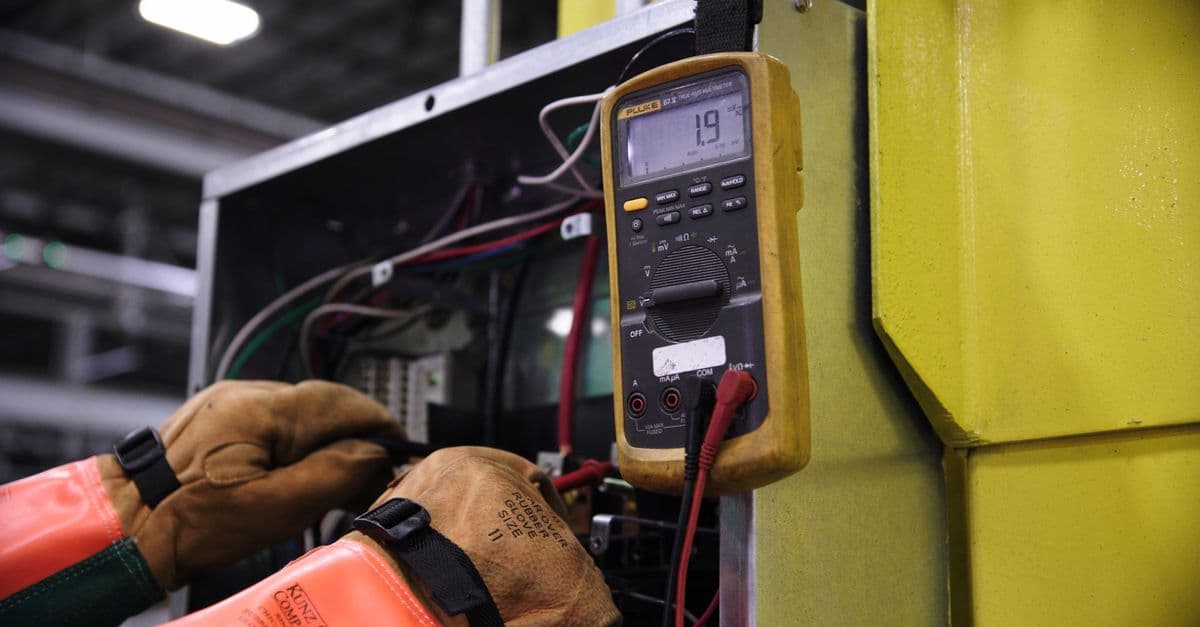
A number without context does not help the team or the customer. “12.1 V” can be a clue, not a finished diagnosis: was the device under load, how long had the battery rested, and which meter and procedure were used? A useful diagnostic report separates observation, measurement and recommendation. That turns a technical check into a decision that remains understandable when someone asks about it later.
This is practical guidance, not safety or legal advice. Work on high-voltage systems, damaged lithium-ion batteries or sealed battery packs belongs only with qualified people following the manufacturer’s instructions.
Define the job before testing
Record the reported problem first: short runtime, no charging, shutdown under load, or visible damage. Then identify the item: device, battery variant, serial number where available, charger and supplied accessories. This prevents a later reading being attached to the wrong battery or configuration.
| Report field | Specific record | Why it matters |
|---|---|---|
| Starting condition | Customer report and visible condition | separates observation from assumption |
| Test environment | Temperature, state of charge, rest time | makes readings comparable |
| Method | Meter, test steps, load or diagnostic tool | allows a competent interpretation |
| Result | Reading plus unusual behaviour | stays readable without memory |
| Next decision | Further test, repair, replacement or return | prevents open cases |
A photo of damaged contacts or a swollen housing can be useful where it is necessary for the job. Avoid capturing unnecessary personal data on screens, labels or in the background.
Do not merge a reading with its conclusion
A report is stronger when it describes first and evaluates second. For example: “Voltage after 30 minutes of rest: …; during the defined function test the device shut down after ….” Put the recommendation below it. Phrases such as “battery definitely faulty” are appropriate only where the method and manufacturer criteria actually support that conclusion.
Give the customer a decision, not a data dump
The customer message need not repeat every technical detail. Cover three points instead: what was checked, what the result means for use, and which options are available. If cost or parts remain uncertain, state that uncertainty rather than promise a firm price or date.
For a replacement, make the path for the old battery clear: return, compliant disposal, or retention for further examination. Consumer rules vary by country, contract and product. The EU’s Your Europe overview explains the general consumer guarantee framework; the exact position of a repair job needs case-by-case review.
Final check before release
In the UK, keep the wording of the customer commitment alongside the technical record without treating the record as a blanket legal conclusion. For cross-border work, also record the language, contracting party and agreed return route. EU rules do not apply directly in Türkiye; the contract, local safety requirements and agreed process are the relevant starting points.
Takeaway
The best battery diagnostic report is not the longest one. It shows what was tested, under which conditions, what was observed and what decision remains open or sensible. That reduces misunderstanding and makes the next customer conversation much easier.
Keep reading
Warranty, seller remedy or paid repair: sort the path at intake
A practical intake routine for separating possible seller remedies, manufacturer warranties and paid repair work without making premature promises.
Read article
Bonus Réparation: a proof workflow for the repair counter
A practical way for French repair businesses to check eligibility, show the deduction and retain useful evidence.
Read article
Assessing used parts: a safe workflow before fitting
How repair businesses can assess used or refurbished parts before quoting or fitting them.
Read articleReady for less paperwork?
Start for free or get advice with no obligation. We set everything up — you carry on with the repairs.
14-day free trial · Setup included · Cancel any time