Assessing used parts: a safe workflow before fitting
How repair businesses can assess used or refurbished parts before quoting or fitting them.
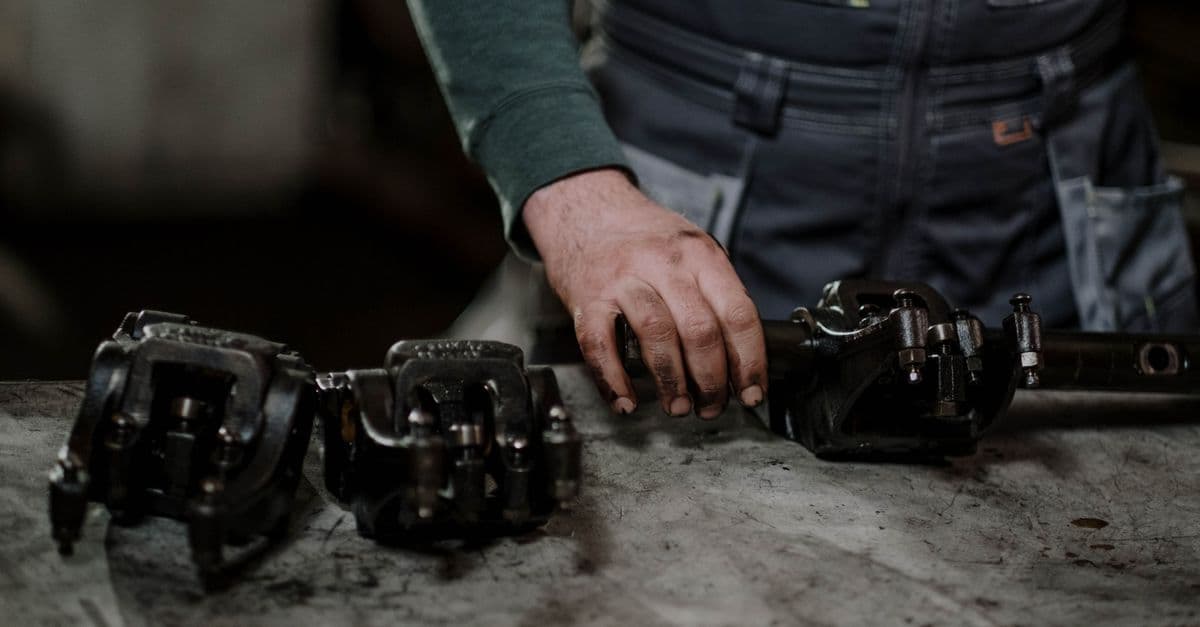
A used or refurbished replacement part can be a sensible option when a new part is unavailable, an older device needs an economical repair, or the customer specifically wants a resource-conscious alternative. It is not, however, an automatic substitute for a new part. The useful question is not whether a label says “used”, but whether the part’s origin, suitability and condition can be understood for this job.
This is an operational guide, not legal advice. Product-safety requirements, manufacturer information, contract terms and consumer rights need to be checked for the individual case. The European Commission explains the framework for legal guarantees when selling to consumers; a repair order and a purchase from a supplier may be governed differently.
Decide on the part before promising a price
Do not let a used part enter a job simply because the team is under time pressure. Separate three questions:
| Question | Record | Why it matters |
|---|---|---|
| Does it fit? | Part number, variant, software or production version | Similar-looking components may not be compatible. |
| Is it usable? | Visible condition, test, known limitations | “Used” is not a technical condition. |
| Is it appropriate? | Price, expected service life, contract/guarantee position | Customer and team need the same basis for the decision. |
A photograph does not replace this assessment. For safety-critical, heavily worn or impractical-to-test components, a used part will often not be an appropriate option. Define exclusion groups for the workshop in advance instead of improvising at the counter.
The minimum part record
A concise part record provides traceability without turning every repair into paperwork:
- Identify the source: supplier, dismantling, stock or customer-owned part.
- Check identity: part number, make/model, serial or batch marker where available and necessary.
- Describe condition: visible damage, corrosion, missing items, measurement or functional result.
- Confirm suitability: who checked compatibility and on what basis?
- Record the customer’s choice: new, used, refurbished or stop the repair, including price and timing effect.
- Link fitting and completion: use the same part description in the job, invoice and final functional check.
Refurbished is not the same as used
A refurbished part may have been through a defined testing or rework process; a used part may simply have come from another device. Do not treat those terms as marketing shortcuts. Ask the supplier what was actually done: was it only cleaned, were wear items replaced, was it tested, and what documentation accompanies it?
For customer communication, plain language is enough: “used part with a documented visual check” is more useful than a blanket quality claim. If a supplier gives conditions, test documents or return rules, attach them to the job rather than leaving them only in purchasing email.
Stay precise across countries
In Germany, Austria, France, Spain, Czechia, Croatia and Slovenia, national rules and EU minimum requirements may matter when selling to consumers; supplier purchases between businesses often depend on the contract and delivery terms. For customers outside the EU, including Türkiye, EU rules do not apply directly. The shared practical baseline is a precise finding, a clear description of the part’s condition, and a check of the applicable agreement before making a promise.
Directive (EU) 2019/771 concerns certain sales contracts between traders and consumers. It is not a general approval to fit used components and does not replace product-safety or contract checks.
A calm workflow prevents follow-up questions
When origin, technical assessment and approval are kept together, the workshop can later explain why that particular part was chosen. That does not eliminate every dispute. It does stop a used part from becoming nothing more than a vague team memory.
Common questions about used replacement parts
Is a telephone approval enough?
It can be practical. Immediately note the part, price range and limitations discussed. A traceable confirmation is especially useful for material changes.
Should every used part be photographed?
Not necessarily. Photos help with visible characteristics or later identification. For standard parts, a clear part and condition note may be enough if the test process supports it.
Can a cheaper used part simply be fitted?
Not without a decision that fits the situation. Check suitability and the contract, explain the alternative and record approval. A price advantage alone does not answer a safety or compatibility question.
Keep reading

Customer data requests: a clear workflow for repair and service businesses
How to log, verify and answer requests for access, correction or deletion without silently changing a repair record.
Read article
When a repair comes back: a calm workflow for customer reports
A practical workflow for repair businesses handling a post-collection report: record the concern, preserve the condition, investigate the cause and decide transparently without assigning blame too early.
Read article
Field-service reports: hand over results without loose ends
A practical routine for service teams: document work on site, make open points visible, and pass the next step to colleagues and customers without guesswork.
Read articleReady for less paperwork?
Start for free or get advice with no obligation. We set everything up — you carry on with the repairs.
14-day free trial · Setup included · Cancel any time