Close the workshop properly: the 15-minute routine for a better morning
A short, consistent end-of-day routine helps workshops, shops and field teams begin tomorrow without searching, unsafe loose ends or forgotten customer work.
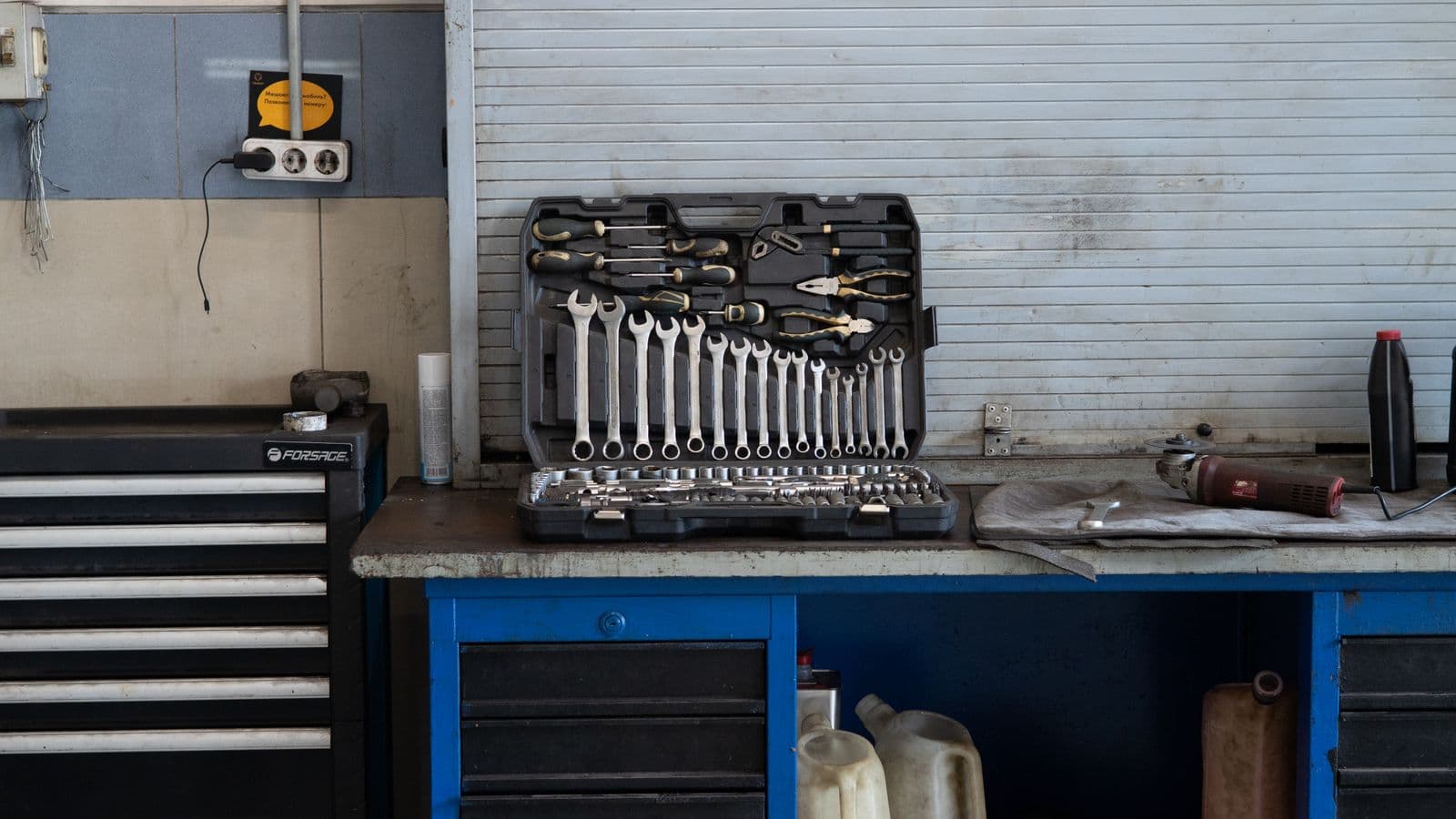
The last job is done, the phone rings once more and everyone is ready to leave. That is when bolts stay on the bench, a device has no next status, or a half-finished job has no note. The next morning, somebody else spends time working out what happened.
A useful close-down is not a deep clean or an extra shift. It is a short, repeatable routine that leaves the workspace, open work and tomorrow in a clear state. For a bike shop, repair counter, small garage or field-service team, consistency matters more than perfection.
Decide what is still open before you tidy
Walk through active work once and make one simple decision for every case.
| Case | Closing question | Clear next state |
|---|---|---|
| Job on the bench | Is it finished, waiting for parts or waiting for approval? | Set a status and a note |
| Customer item | Where is it, and what may happen to it? | Mark its place; keep keys and accessories together |
| Ordered part | Has it arrived, been fitted, or is it still outstanding? | Check, allocate, reorder or reserve it |
| Customer question | Who responds, and when? | Create a specific task, not a mental reminder |
| Tomorrow’s appointment | What needs to be ready? | Review the job, materials and special requirements |
“Look at it later” is not a status. When something cannot be resolved today, record who owns the next step and when. That keeps handovers from becoming invisible at a shift change.
The 15-minute closing round
Choose a time after which new work does not start unless it is genuinely urgent. During this window, the team is not rushing; it is leaving work in a state another person can understand.
Make the list fit real work. A garage with lifts needs different checks from a phone-repair counter. Include only items that genuinely get missed, then revisit the list after two weeks: what never matters, and what is missing repeatedly?
Create order that does not need explanation
A tidy place only helps if the whole team reads it the same way. Give common things visible, permanent homes: a shelf for parts awaiting fitting, an area for items ready to collect, and a location for cases needing clarification. A note saying “later” helps little; a clearly named place helps everyone.
Keep finished, waiting and do not touch separate. A device awaiting customer approval must not look like a completed job. A part reserved for tomorrow must not be mistaken for counter stock.
Short notes beat good memories
A useful closing note answers three questions: what happened, what is still missing, and what happens next? For example: “Brake adjusted; test ride outstanding; customer expects collection after 4 pm.” That is more helpful than “nearly done” and lets the next person continue without a call.
For teams using a digital handover, tasks with owners and due dates can support the routine. SimpliServ allows tasks to be assigned to more than one employee and optionally linked to an order; its tasks and Kanban boards guide explains that workflow.
Tomorrow starts this evening
A good close-down does not slow a business down. It removes tomorrow morning’s detective work: what is this, who owns it, is that part available, who calls the customer? Start with a short list and a fixed time. Once the habit settles, the team has more attention for work customers actually notice.
Keep reading

Hand over rental bikes without disputes: a 12-point checklist for shops and workshops
A practical handover routine for small bike and e-bike businesses: check condition, explain use, agree the return and record the essentials without creating paperwork overload.
Read article
Field-service scheduling: turn a busy calendar into a workable day
A practical method for small service and trade businesses: sort jobs, group travel, protect buffers and communicate changes without derailing the day.
Read article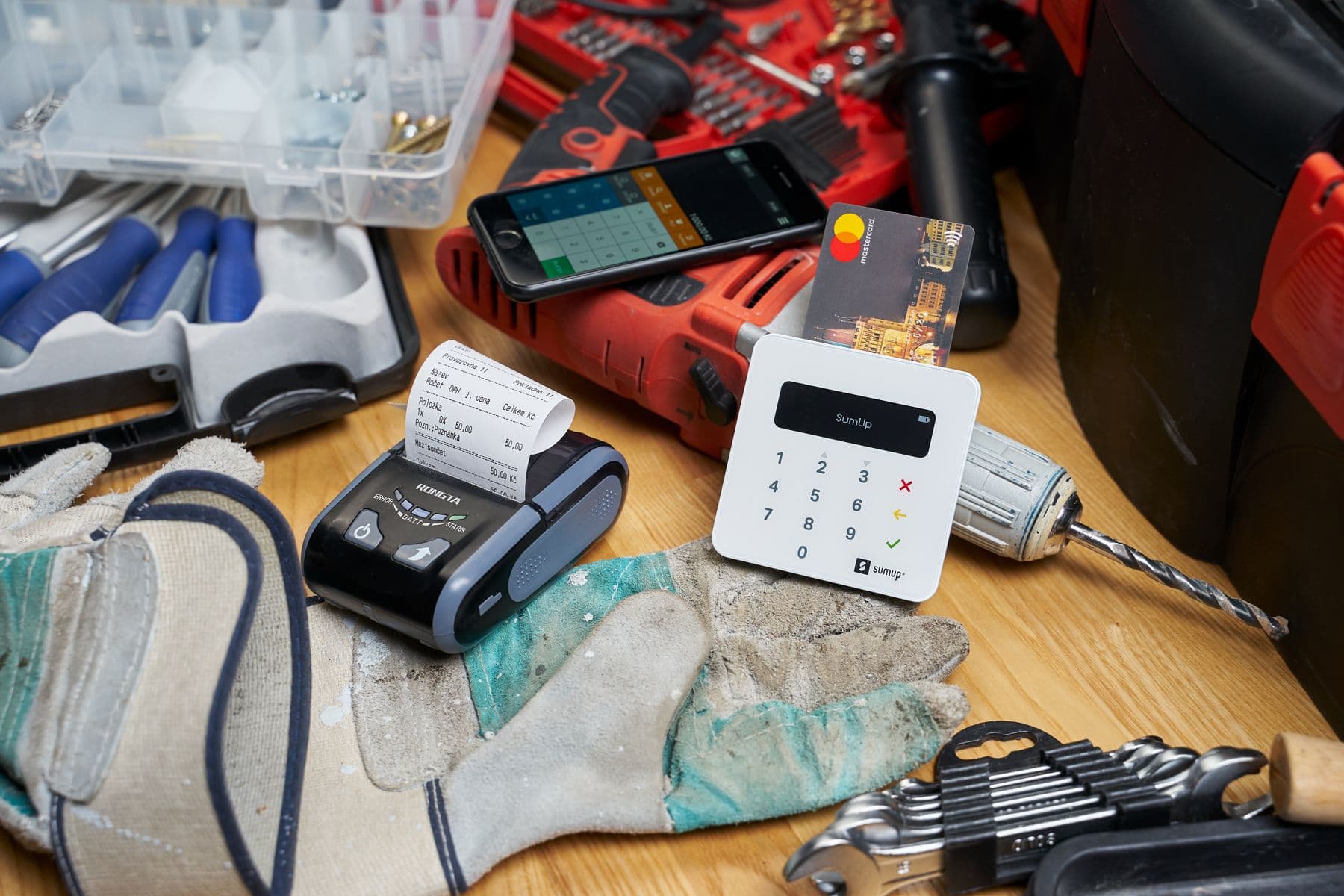
Digital receipts in the workshop: QR code, email or paper?
A practical guide to handing over receipts at pickup, keeping payments traceable and avoiding avoidable admin after the customer leaves.
Read articleReady for less paperwork?
Start for free or get advice with no obligation. We set everything up — you carry on with the repairs.
14-day free trial · Setup included · Cancel any time