Hand over rental bikes without disputes: a 12-point checklist for shops and workshops
A practical handover routine for small bike and e-bike businesses: check condition, explain use, agree the return and record the essentials without creating paperwork overload.

Handing over a loan bike is quick. The difficult part comes when it returns: was that scratch already there, did it include a charger, and was the return time agreed? Without a clear routine, staff have to guess and the customer may remember a different version.
A good handover is not a long contract meeting. It is a short, repeatable check that makes the right bike, its condition and the next steps visible to both sides. That matters in bike shops, workshops and small rental businesses where different people issue and receive bikes.
Before the handover: choose the actual bike first
Start with the individual vehicle, not a signature. Check that it is available, roadworthy and appropriate for the planned use. For an e-bike, include the battery charge and charger in that check.
| Question | Example | Why it matters |
|---|---|---|
| Which bike is leaving? | Frame number or internal ID | avoids mix-ups |
| Is it ready to ride? | Quick check of brakes, tyres, lights and gears | establishes a reliable starting point |
| What goes with it? | Key, battery, charger, lock, helmet | makes accessories checkable on return |
| When is it due back? | Friday before closing time | avoids vague arrangements |
| Who can be contacted? | Name and reachable number | helps with a breakdown or delay |
Do not take a bike from stock “just in case”. If cleaning, a repair or a prior return is still open, its availability is unclear. With a small fleet, that can quickly turn into two promises for one bike.
The 12 points at the counter
The handover need not take more than a few minutes. What matters is covering the same basic questions every time.
A photo is often clearer than a long description of a noticeable mark. Take it at handover, associate it with the correct bike and describe only what is visible. Avoid blanket phrases such as “all good” when there is a specific scratch or loose mudguard.
With e-bikes, operation belongs in the handover
Giving out an e-bike with “it rides like a bike” is not enough. A brief practical introduction can prevent questions and avoidable misuse; it does not need to be technical.
Show the rider:
- how to turn the display on and off;
- how to select assistance;
- how the battery and key are handled;
- where charging happens and what they should not open or repair themselves;
- how to get help after a fault message or breakdown.
Then let them brake, shift and lift the bike once. It gives both sides a chance to notice an unsuitable saddle height or a missing explanation. For groups or frequent rentals, a plain-language one-page guide is useful too.
Plan the return so it is actually checked
A return is not just a key placed on the counter. Reserve a short routine: identify the bike, count the accessories, compare the condition with the handover note, carry out a quick function check and set the next status.
| Check on return | Practical question |
|---|---|
| Identity | Is this the bike that was issued? |
| Accessories | Are the key, battery, charger and lock complete? |
| Condition | Is anything visibly new? |
| Function | Do brakes, tyres and lights appear sound? |
| Next step | Available now, clean, service or clarify? |
If the team cannot complete the inspection immediately, say so. Receive the bike, mark it as awaiting inspection and record who will check it and when. A rushed return should not become a forgotten issue.
A lean record is enough
For a small business, a one-page handover record can be sufficient. It need not cover every possible event; it should make the actual issue traceable:
- bike ID and accessories;
- issue time and agreed return;
- visible starting condition, with photos where useful;
- contact details and a reachable contact person;
- special operating notes;
- confirmation of issue and return.
The right terms, liability wording and identity checks depend on the business model and location. Have those texts reviewed where appropriate; a handover record is not a substitute for a suitable agreement.
One shared inventory avoids duplicate work
The routine works on paper as well as digitally. The essential point is that everyone can see before issue whether a bike is available, rented, being serviced or back awaiting inspection. Teams using SimpliServ can keep vehicles marked as rental or loan stock and record reservations, active rentals and returns; its vehicle-management guide explains the workflow.
Conclusion: clarity is good service
A careful handover does not depend on complex forms. It depends on a reliable rhythm: choose the right bike, check condition and accessories together, explain operation, agree the return clearly and keep a short record. That feels professional, makes returns easier and gives the team a sound basis for the next booking.
Keep reading

Field-service scheduling: turn a busy calendar into a workable day
A practical method for small service and trade businesses: sort jobs, group travel, protect buffers and communicate changes without derailing the day.
Read article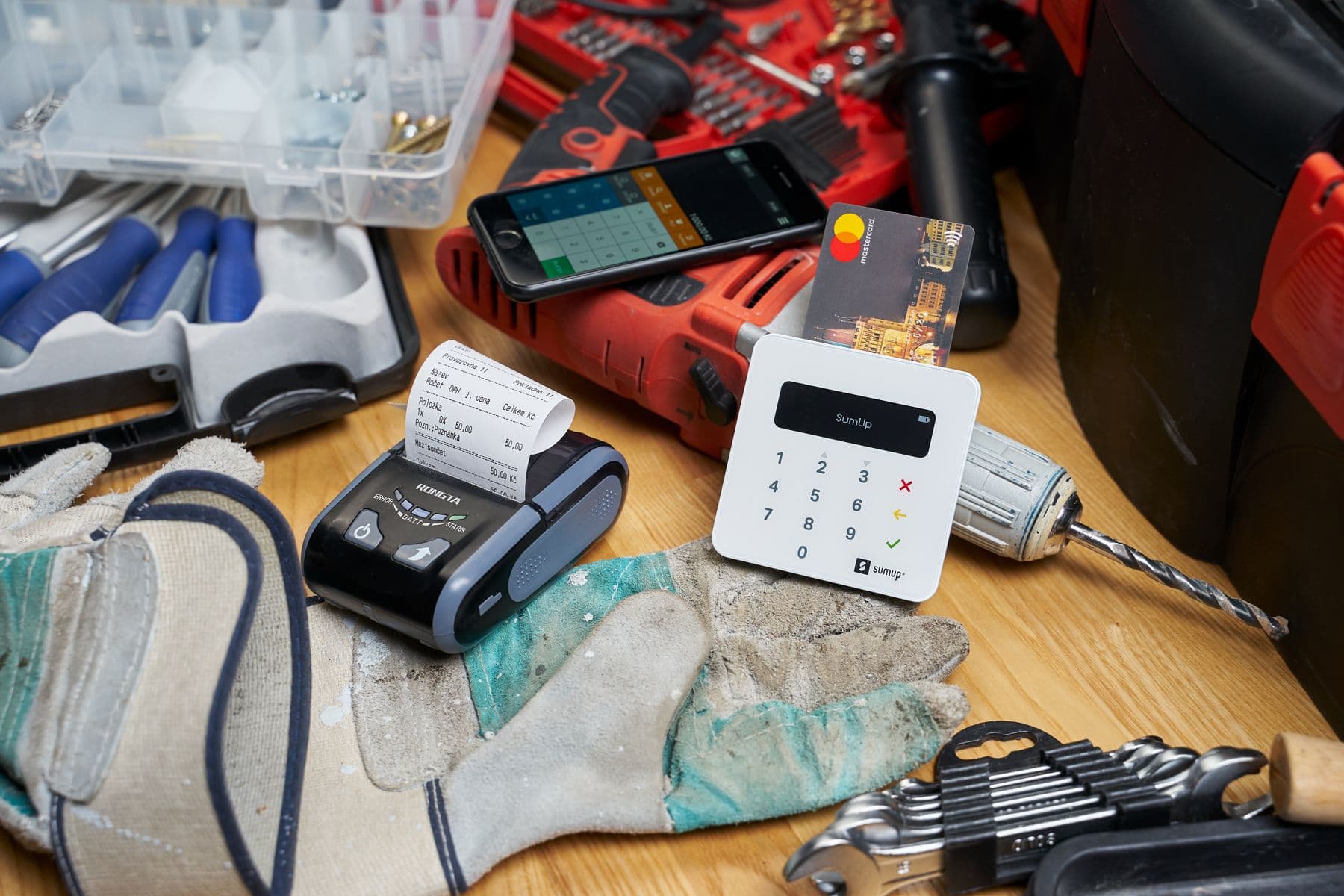
Digital receipts in the workshop: QR code, email or paper?
A practical guide to handing over receipts at pickup, keeping payments traceable and avoiding avoidable admin after the customer leaves.
Read article
Online booking for workshops: plan slots without overloading the day
A practical guide for bike, e-bike, and scooter workshops that want customers to book online while keeping capacity, buffers, intake windows, and appointment requests realistic.
Read articleReady for less paperwork?
Start for free or get advice with no obligation. We set everything up — you carry on with the repairs.
14-day free trial · Setup included · Cancel any time