Shared tools: a simple checkout and return routine
A clear checkout routine for measuring equipment, specialist tools and batteries reduces searching and keeps returns and checks traceable.
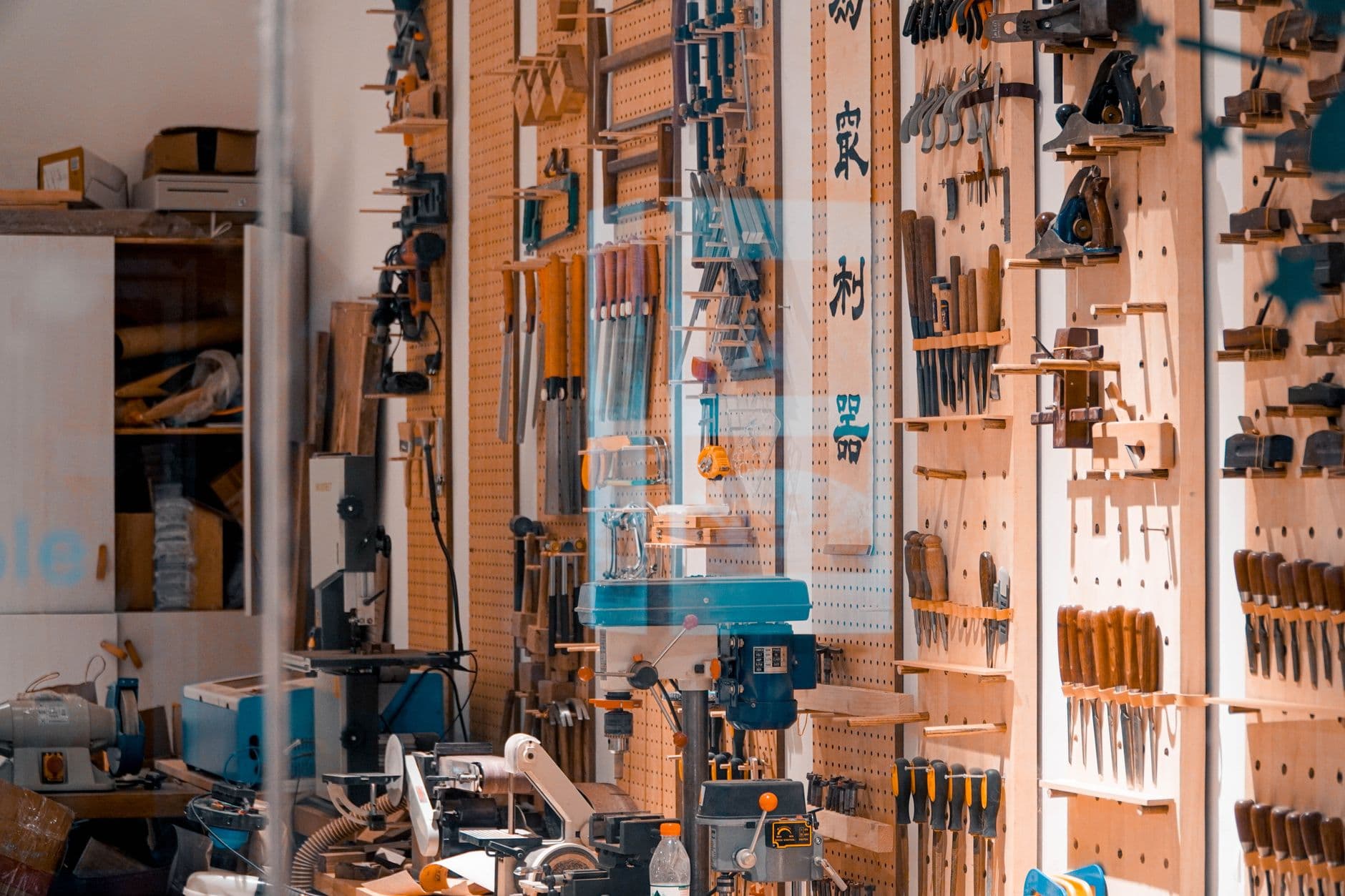
A missing meter rarely costs only a few minutes of searching. A diagnosis pauses, a job changes hands, or a replacement gets ordered unnecessarily. A short checkout routine is not bureaucracy: it answers three questions at any moment: what is out, who has it, and when is it needed back?
This article is an operational guide, not safety advice. Manufacturer instructions, inspection intervals and local occupational-safety rules still apply.
Do not treat every tool alike
Start with items whose absence genuinely interrupts work: torque wrenches, diagnostic devices, ladders, measuring instruments, chargers or uncommon adapters. A hammer does not need the same process as a calibrated meter.
| Category | Record at checkout | Check at return |
|---|---|---|
| Specialist tool | tool ID, person, job, return time | complete, clean, in its assigned place |
| Measuring or test equipment | also purpose and due inspection | visible condition; do not overlook inspection status |
| Battery and charger | device, battery, charging location | charged, or charge state noted |
| Consumables | location and quantity when stock is tight | check the reorder level |
A visible label is enough: a number, QR code or unique name. What matters is that the label on the tool matches the checkout record.
A four-step routine
- Check out. Record the person, tool, job or site, and expected return.
- Look first. Before use, check for obvious damage, accessories and—where relevant—the inspection status.
- Confirm return. Do not merely put it back; mark the return complete immediately.
- Make exceptions visible. Missing accessories, faults or an extended checkout need their own next action, not an oral note.
Working across countries: standardise the routine, check duties locally
Teams in different countries can use the same checkout fields. Which equipment must be labelled, inspected or used only by instructed people is not just a workflow question. In Great Britain, the Health and Safety Executive’s work-equipment guidance is a useful starting point. At each location, check manufacturer instructions, the risk assessment and the applicable local requirements rather than copying a rule from another branch.
This matters particularly for electrical equipment, lifting equipment and measuring instruments. A checkout record can make a reminder visible; it does not replace inspection or training.
Use the records to make better choices
After two weeks, the records are more useful than a large inventory list. Look for three patterns: tools needed at the same time, accessories that repeatedly go missing, and equipment returned with a fault. Only then decide whether a second set, a different storage place or a short briefing would help.
A shared job or tool record can keep checkout, note and return together. The key habit remains simple: nobody should have to remember where an item was last seen when its next status is visible.
Conclusion
A good checkout process does not turn every tool into an administration task. It protects the few items that hold work up. Start small, make returns visible and give faults their own next action.
Frequently asked questions
Do we need to record every tool?
No. Begin with specialist tools, measuring equipment or items that are repeatedly searched for. The routine should reduce search time, not slow work down.
What if a tool is missing?
Mark it as open, assign an owner and check the most recent checkouts first. Do not show it as available until its location and condition are known.
Is a checkout list enough for safety inspections?
No. It can make due checks or concerns visible. Required inspections and records depend on the equipment, the manufacturer and local law.
Keep reading
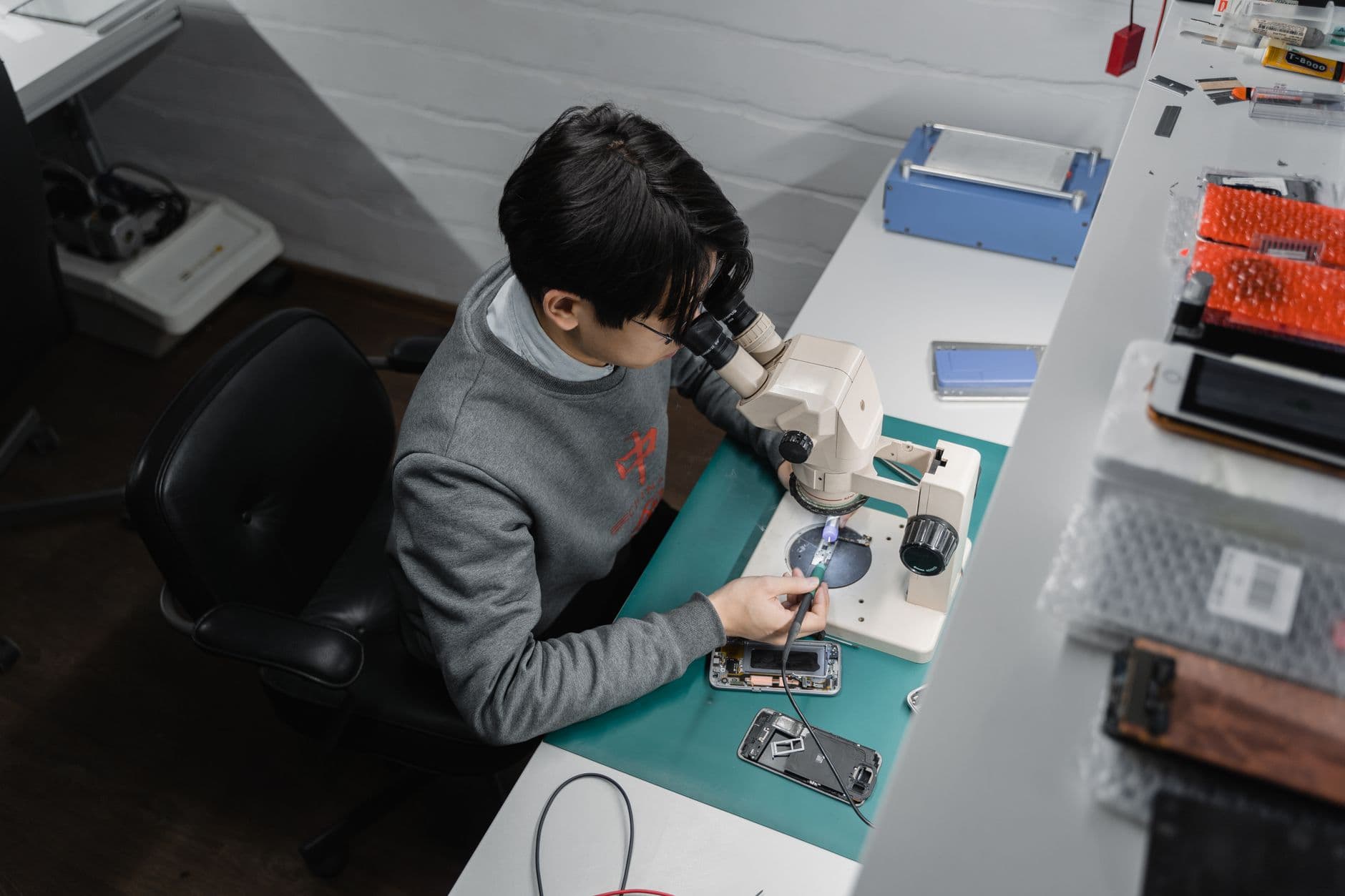
Documenting device handovers: photos that actually help
A calm intake routine for condition photos: define the purpose, capture relevant details, review them together and keep data no longer than necessary.
Read article
A calm quote follow-up workflow for small teams
Turn sent quotes into a clear, respectful routine: agree the next step, prepare useful context and stop chasing at the right time.
Read article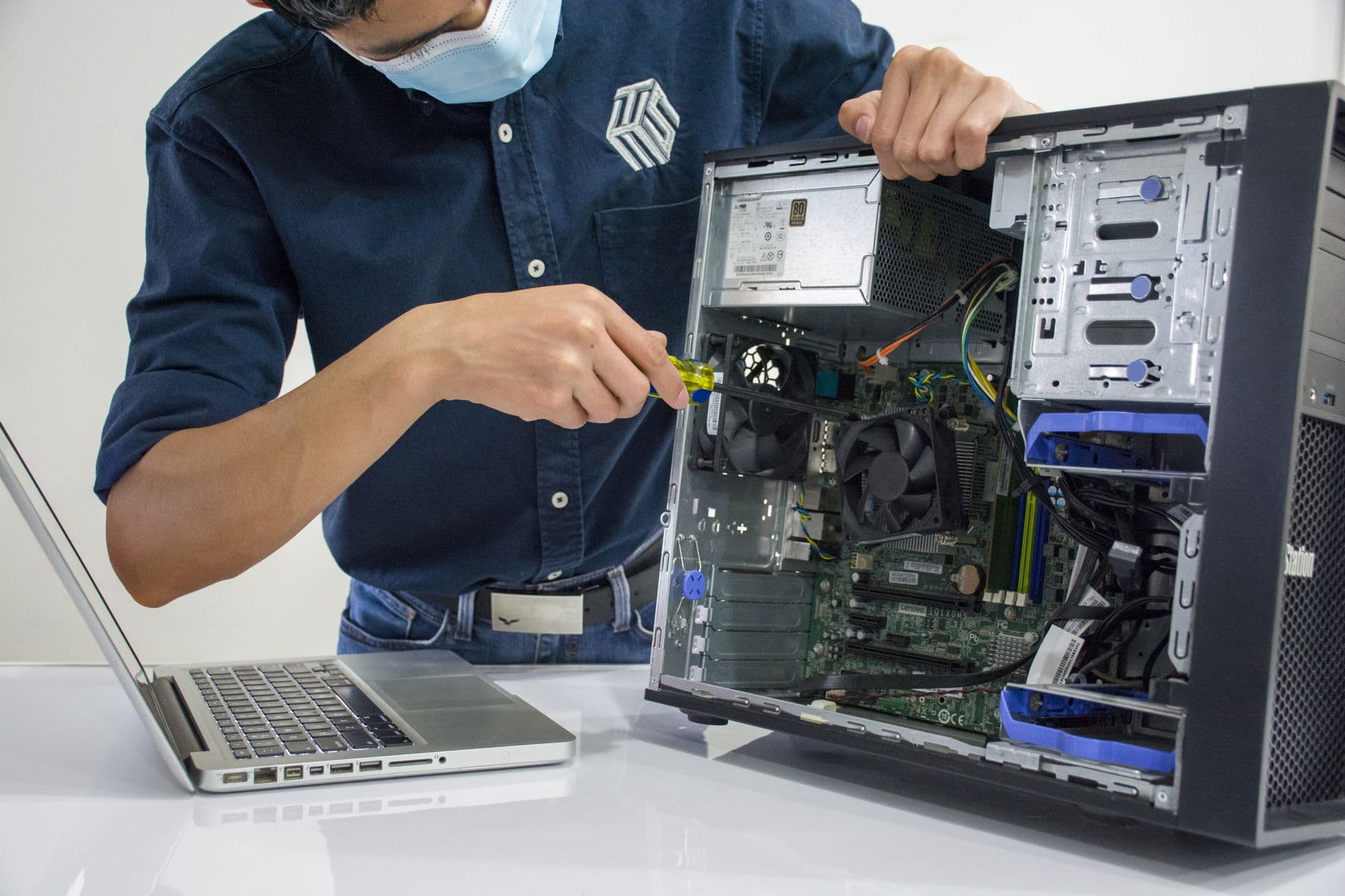
Repair orders without data clutter: what truly belongs in the job
A practical guide for workshops and service businesses: collect data for a purpose, keep it traceable, and clear it out on a routine.
Read articleReady for less paperwork?
Start for free or get advice with no obligation. We set everything up — you carry on with the repairs.
14-day free trial · Setup included · Cancel any time