Documenting device handovers: photos that actually help
A calm intake routine for condition photos: define the purpose, capture relevant details, review them together and keep data no longer than necessary.
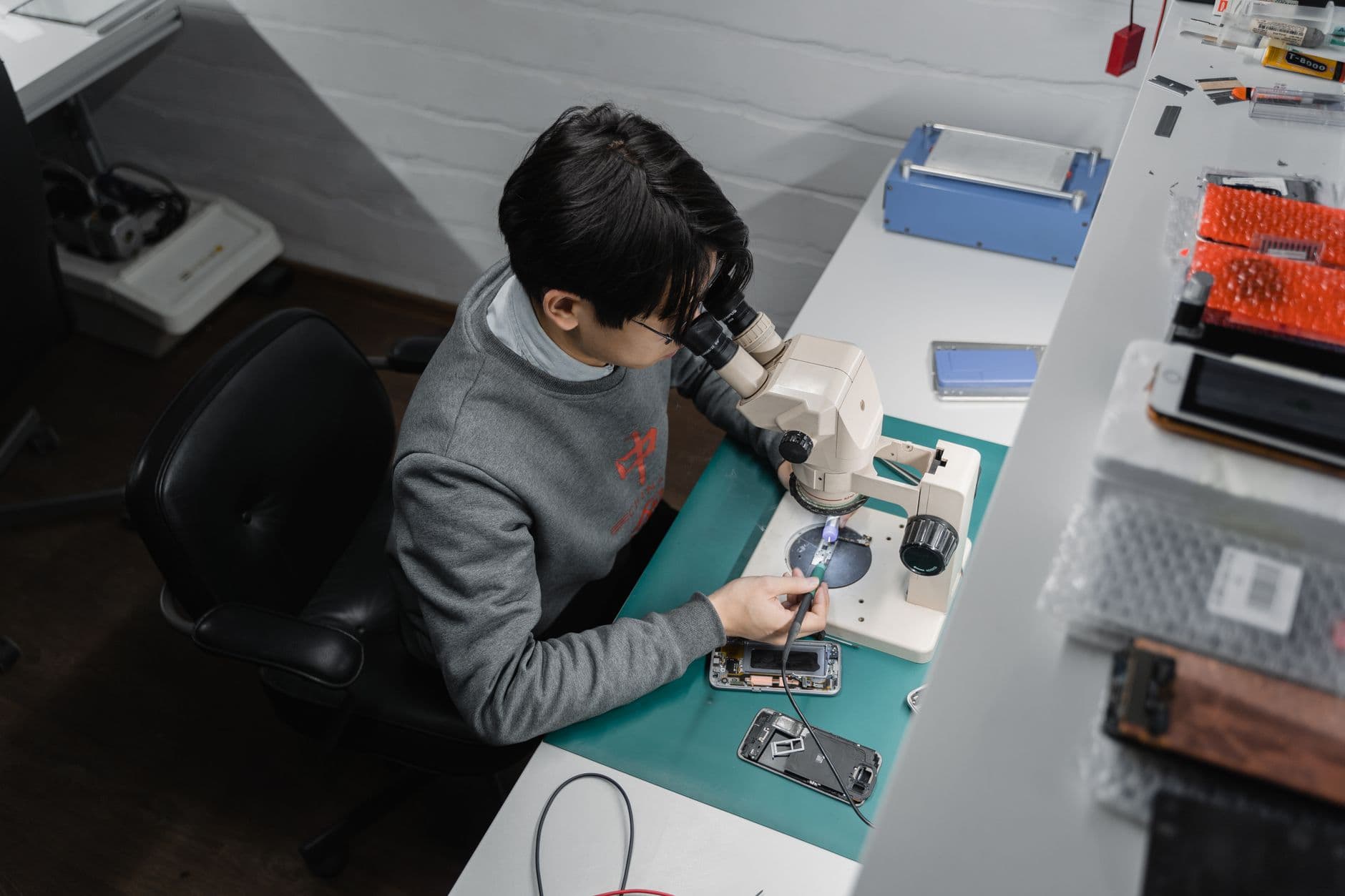
An intake photo can make a later conversation much easier. It is not a reason to collect every detail, though. A useful condition record answers one practical question: what was visibly present when the device arrived, and what did both parties note? That helps a small team prevent misunderstandings without turning the counter into a photo shoot.
This is an operational guide, not legal advice. In the EU/EEA, the GDPR is particularly relevant to personal data; Article 5 includes purpose limitation, data minimisation and storage limitation. Check the retention rules, notices and evidence requirements that apply locally to your business.
Start with a defined purpose
Before taking a photo, say what it is for: visible damage, supplied accessories, a serial-number label or an existing mark. If it cannot answer that question, it usually does not need to be taken. Keep customers, identity documents, private screen content and irrelevant background out of frame.
| At intake | Record when relevant | Do not routinely capture |
|---|---|---|
| Case or frame | visible scratches, cracks or dents | the person at the counter |
| Screen or controls | visible condition while switched off | messages or personal images |
| Accessories | charger, key or case handed over | other customer belongings |
| Identifier | only when needed for service or warranty | documents in the background |
Use a short repeatable routine
- Match the job. Open the correct work order first and use a neutral name such as “intake front”.
- Choose the useful view. One overview and, where needed, one close-up are often enough. Make lighting and distance understandable.
- Review together. Briefly show the visible points to the customer. Add a short note where a photo could be misunderstood.
- Limit access. Condition images belong with the work order—not in personal chats or on a private phone.
- Tidy up at closure. Decide when images are reviewed or deleted after collection and any follow-up are complete.
One core routine, country-aware review
For teams in Germany, Spain, France, Czechia, Croatia and Slovenia, the GDPR applies directly. It requires, among other things, an appropriate lawful basis under Article 6 and transparent information under Article 13. The operational core can remain the same—purpose, minimal capture, protected access and planned deletion—but national implementation, sector rules and customer notices still need review.
In Türkiye, Personal Data Protection Law No. 6698 (KVKK) is the relevant framework. Do not reuse EU-standard wording without checking it. Define purpose, access and deletion there too, and have the local notice and legal basis reviewed.
When a question arises later
A concern is easier to handle with a complete but lean record: job reference, time, neutral note, relevant image and confirmation that it was reviewed together. Do not automatically send every internal image. First identify what answers the question and use an appropriate secure channel.
The same approach helps at handover: look at the visible condition together, note differences factually and close the record. The purpose is fair clarification, not pressure.
Conclusion
Condition photos work when they are deliberate, understandable and limited. A defined purpose, a few relevant views, a neutral note and a local privacy check create more confidence than a large, unstructured image collection.
Questions small teams ask
Do we need photos for every device?
No. Decide from the job and risk. When there is no relevant condition point to record, a brief intake note may be enough.
Can we photograph a serial number?
Only where it is needed for the job, identification or a defensible service purpose. Limit access and retention, and check the local lawful basis and notice.
How long should condition images stay stored?
There is no universal number. Base it on the documented purpose, applicable obligations and possible follow-up. Set a reviewable deletion or review point.
Keep reading

A calm quote follow-up workflow for small teams
Turn sent quotes into a clear, respectful routine: agree the next step, prepare useful context and stop chasing at the right time.
Read article
Repair orders without data clutter: what truly belongs in the job
A practical guide for workshops and service businesses: collect data for a purpose, keep it traceable, and clear it out on a routine.
Read article
Customer handover record: clearer collection and delivery evidence
A practical workflow for repair businesses and retailers: record condition, scope, time and confirmation whenever goods change hands.
Read articleReady for less paperwork?
Start for free or get advice with no obligation. We set everything up — you carry on with the repairs.
14-day free trial · Setup included · Cancel any time