Handing in a device for repair: protect customer data with a clear handover
A practical workflow for passwords, test access, data scope and documented return—country-aware and without false security promises.
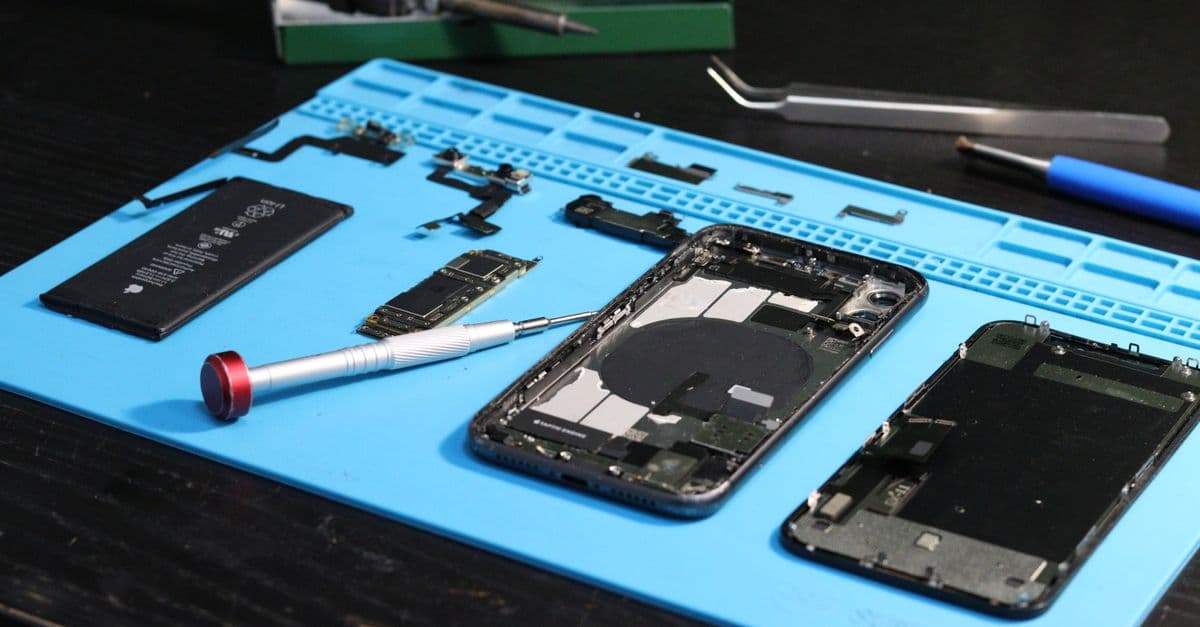
A phone, laptop or tablet rarely arrives at a workshop empty. Photos, email, accounts and business information come with it—even when the job is only a screen replacement. A sound intake process therefore separates the repair scope from what the team genuinely needs to access for diagnosis and testing.
This article is operational guidance, not legal advice. For EU locations, the principles of purpose limitation, data minimisation and integrity in GDPR Article 5 are a useful reference point. Duties in a particular case depend on the country, the job and the data involved.
Before handover: do not make access the default
Do not ask for a device passcode as a routine question. First record the fault to be checked and decide whether an unlocked device is necessary. A battery replacement may only need a limited functional test; software troubleshooting may need temporary test access. Where there is an alternative—guest mode, test account, or a test carried out with the customer at intake—prefer it.
| Question | Practical decision | Record on the job |
|---|---|---|
| What is being repaired? | Define the fault and approved work | Device, serial number, job |
| Is unlocking necessary? | Decide only for the specific test | yes/no and reason |
| Is there a less intrusive option? | Guest mode, test account or witnessed test | chosen alternative |
| Who may access it? | Assign a role, not workshop-wide access | name/role when needed |
A password should never go into free text, a sticky label or an unprotected message. If temporary access cannot be avoided, the customer can enable it at handover and change it after collection.
During repair: limit what can be seen
A clear job record prevents unnecessary detours. Staff open only the functions needed for diagnosis, repair or the agreed final test. Personal content is not proof of a successful repair. Instead of “photos checked”, a documented camera test is often sufficient; instead of opening an inbox, a neutral connectivity test may be enough.
Also decide what happens if private material is encountered accidentally: do not copy or share it, and escalate technical concerns to a responsible person. That protects both the customer and the team.
Return: end access and explain the result
Collection is more than returning the device. Explain the work carried out, the point tested and any remaining limitation. If test access was used, let the customer remove or change it. The job should record that the device was returned and the agreed test completed—without retaining more data than needed.
Businesses with locations in Germany, Austria, Czechia, France, Spain, Croatia or Slovenia can use the same lean core workflow while checking local rules and contracts. EU law does not apply directly in Türkiye. There, adapt the process to local data-protection conditions, contract terms and the business’s real role rather than copying an EU template unchanged.
A repeatable handover process does not make privacy harder. It reduces uncertainty, protects confidential information and makes clear what was actually required for the repair.
Keep reading

Spare-parts goods receiving: an inspection routine that protects jobs
A clear receiving check catches incorrect, damaged, or unassigned spare parts before they delay a repair job.
Read article
Supplier backorders: manage repair jobs instead of hoping for a date
A practical workflow for shortages, credible updates and traceable decisions in a repair shop.
Read article
Count spare parts without inventory-day stress: a cycle-count routine
Small, scheduled counts help repair businesses keep spare-parts stock dependable without stopping work for one major inventory day.
Read articleReady for less paperwork?
Start for free or get advice with no obligation. We set everything up — you carry on with the repairs.
14-day free trial · Setup included · Cancel any time