Count spare parts without inventory-day stress: a cycle-count routine
Small, scheduled counts help repair businesses keep spare-parts stock dependable without stopping work for one major inventory day.
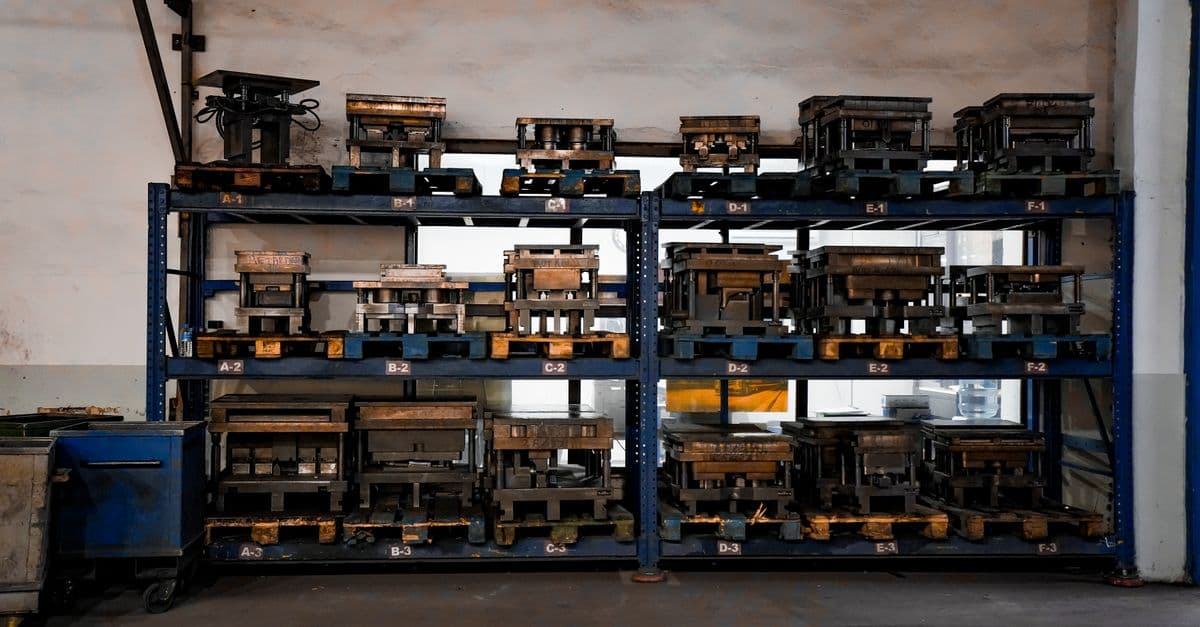
A missing brake pad or a charger recorded twice is usually discovered in the middle of a job, not during the annual stocktake. Cycle counting catches those gaps earlier: the team checks a small, defined area on a schedule and records any adjustment with a reason.
This is an operational workflow, not tax or legal advice. Stocktake and record-retention requirements depend on the country, business form and professional advice.
Make the count fit normal work
A full inventory can still be necessary or useful. It does not answer the daily question: is the part where the job expects it to be? A short count makes that answer repeatable.
| Area | Practical rhythm | Question to answer |
|---|---|---|
| Fast-moving parts | Weekly | Is the physical quantity enough for upcoming jobs? |
| High-value or vulnerable parts | Weekly or fortnightly | Do bin, quantity and allocation agree? |
| Standard stock | Monthly | Is anything quietly misplaced or inaccurate? |
| Slow-moving stock | Quarterly | Is the quantity plausible and is the space still needed? |
Choose the interval by operational risk, not by spreadsheet length. A small error in a frequently fitted item can delay a customer immediately.
A six-step count
- Define one area. Count one rack, drawer or product group—not “the warehouse”. Give every bin a stable label.
- Pause or mark movement. Prevent unrecorded picks and put-aways while the count happens; a small-team sign and a short handover may be enough.
- Count before seeing the system value. Record the physical amount, unit and bin first. It reduces the temptation to make the number fit.
- Add a reason to every variance. An unposted job pick, a delivery in the wrong bin, an unreturned item, damage or a mixed-up pack size are useful distinctions.
- Fix the cause, not only the number. Repeated differences may call for clearer labels, a returns area, correct pack sizes or immediate job-linked picking.
- Leave a short trail. Record area, date, counted items, variances, correction and owner.
Country-aware, not country-blind
The routine works across Germany, Austria, Switzerland, Czechia, Croatia, Slovenia, Spain, France and Türkiye. Local realities differ: supplier documents, pack sizes, delivery lead times and quiet seasonal windows are not identical. An Austrian bicycle shop may count tubes and brake pads more often before spring; an electronics repair team in Spain may prioritise displays and chargers before a campaign. Build categories from actual jobs rather than a generic template.
For more than one location, use a location and bin identifier. “In stock” is not verifiable; “North branch, rack B, bin 04” is. It also makes transfers, reservations and cover shifts easier to handle.
Investigate before reordering
Not every variance is a stock failure. Before ordering more, ask:
- Was the item counted in the right bin and unit?
- Is there an open goods receipt, return or job pick?
- Is the quantity reserved for a customer job?
- Should a second person confirm the adjustment?
- What prevents the same variance next time?
Start for four weeks with ten to twenty fast-moving items. Track the reasons as well as the quantities. A shared job and stock record can make the round easier, but the essential habit stays physical: make each pick visible, return goods to their place and explain differences briefly.
Keep reading
Releasing a repair: the final check before handover
A short, repeatable release check helps repair shops avoid needless returns and keep the repair status clear.
Read article
E-invoicing in a repair business: one country-aware workflow, not format guesswork
Prepare repair invoices, approvals and archiving for different e-invoicing rules without turning one local exception into a universal process.
Read article
Handling repair complaints: record clearly, respond calmly
A country-aware intake workflow for repair businesses: capture the complaint, preserve evidence, check responsibility and prepare a defensible response.
Read articleReady for less paperwork?
Start for free or get advice with no obligation. We set everything up — you carry on with the repairs.
14-day free trial · Setup included · Cancel any time