Spare-parts goods receiving: an inspection routine that protects jobs
A clear receiving check catches incorrect, damaged, or unassigned spare parts before they delay a repair job.
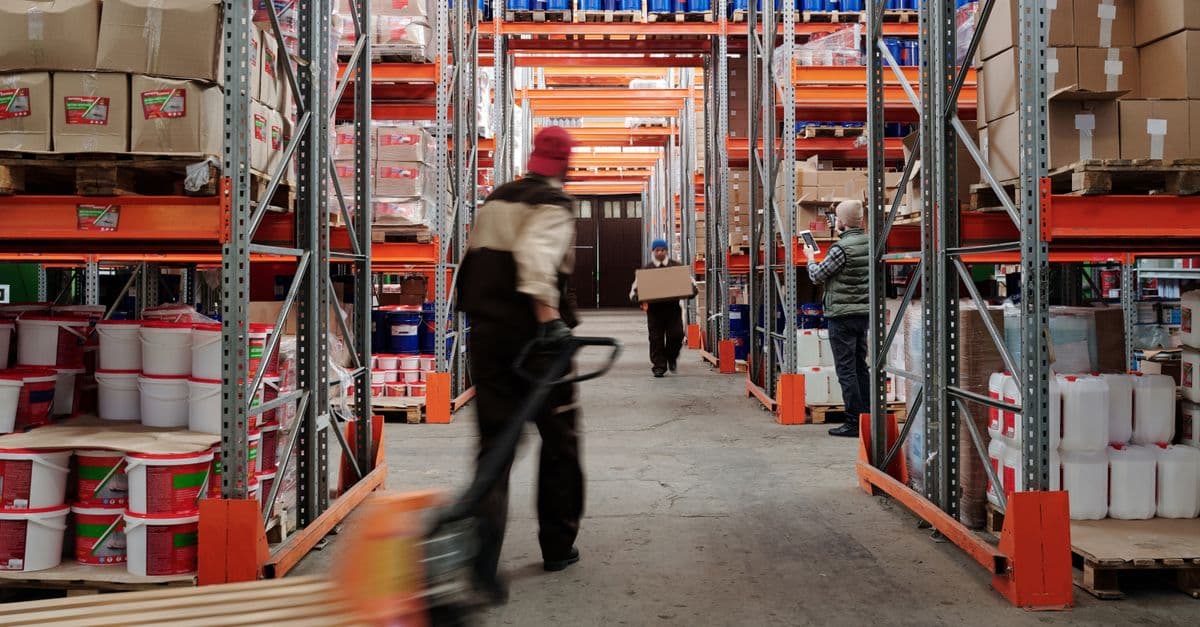
A delivered parcel is not automatically an available spare part. Before installation, a team still needs to confirm the part number, quantity, condition and destination. If those questions are answered only at the bench, the repair pauses at the moment when attention is most expensive.
A short, repeatable receiving routine separates delivered, checked and put-away-ready items. It works for bicycle, electronics, vehicle and other repair businesses; only the inspection criteria change.
Five receiving steps
| Step | Check | Result |
|---|---|---|
| 1. Match | Supplier, purchase order, job or stock need | The parcel has an unambiguous context |
| 2. Count | Item, variant, quantity and accessories | Differences appear before put-away |
| 3. Inspect | Packaging, breakage, moisture or tampering | Damage is recorded with a photo and date |
| 4. Identify | Part number, serial number and compatibility | Wrong items do not reach the bench |
| 5. Decide | Reserve for a job, stock or claim | Everyone can see the next status |
Make job-dedicated parts visibly reserved
A common failure is not a wrong delivery, but a correct delivery in the wrong place. A display ordered for job 1842 disappears into general stock and is later fitted to another job. A reservation should therefore include the job number, the customer’s device or vehicle, and a “checked” status.
For a small workshop, a label is a useful starting point. The process becomes more reliable when receiving is recorded on the job itself: colleagues can see what arrived, what is still missing and which line is being claimed. A system that connects jobs, stock and supplier status can reduce searching, while leaving the technical decision with the person inspecting the part.
Classify discrepancies immediately
Different discrepancies need different responses:
- Hold: safety-relevant damage, wrong specification or unclear origin. Do not install; store separately.
- Clarify: quantity, variant or price differs. Photograph the delivery, reference the order and contact the supplier.
- Rework: packaging is damaged but the item is usable after inspection. Record the decision and owner.
Photographs of the parcel before opening can help with transit-damage or warranty discussions. Evidence and notice requirements depend on the supply contract, transport route and applicable national law. Businesses in the UK, Ireland and other markets should check their supplier’s agreed claim and return process; the same contract-first approach applies to cross-border orders.
One metric worth tracking
Do not measure lead time alone. For four weeks, count incoming lines first discovered as wrong, damaged or unassigned at installation. The rate shows whether the check catches issues early enough. Add the average time from delivery to “checked available”: a fast, traceable process is more useful than a fast process with hidden defects.
Conclusion
Goods receiving is the handover point between purchasing, storage and the bench. Defining the match, condition check and next status protects appointments and customer updates. Start with a fixed unchecked area and a five-step checklist; automate only after the routine is stable.
Keep reading
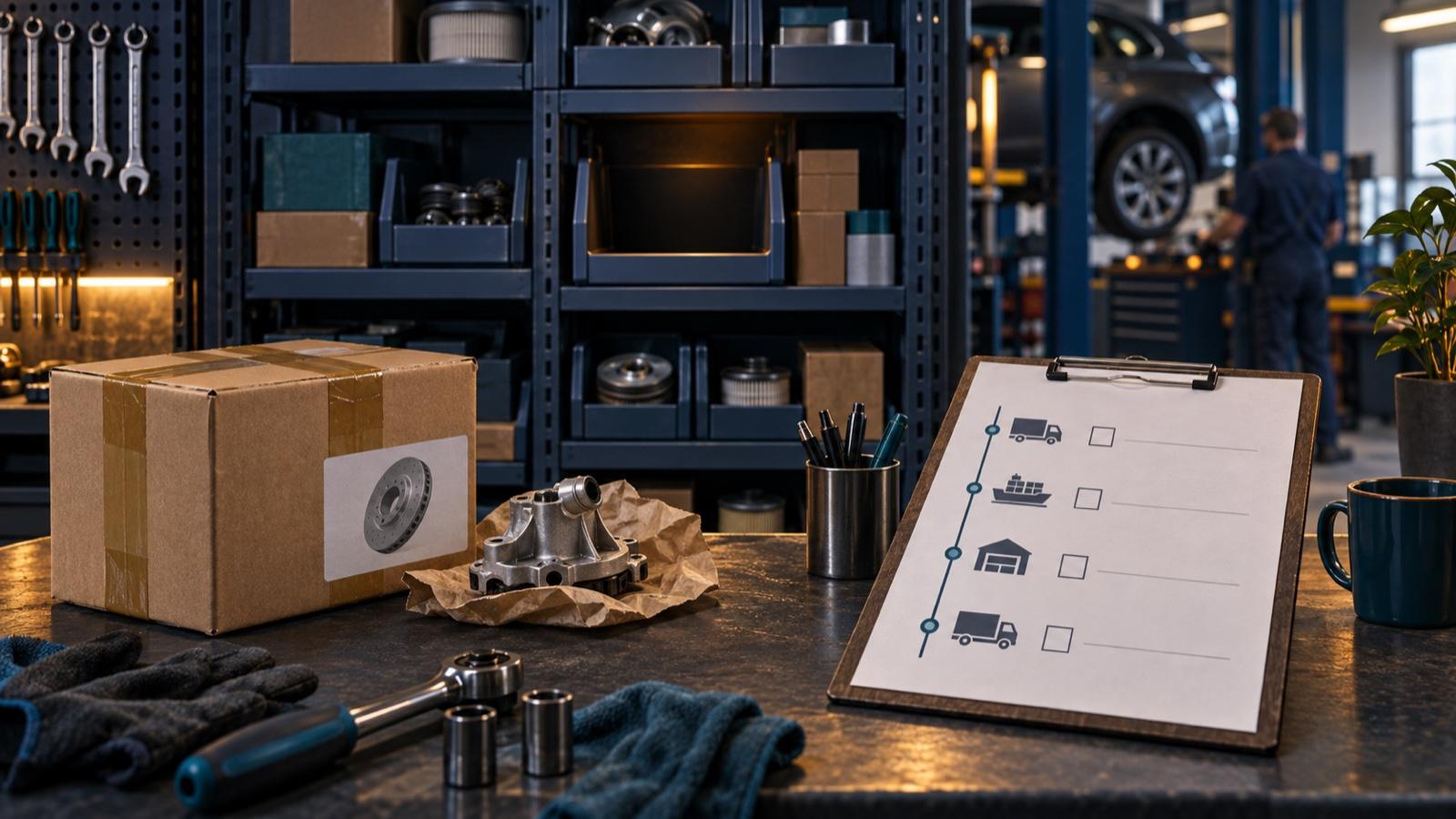
Supplier backorders: manage repair jobs instead of hoping for a date
A practical workflow for shortages, credible updates and traceable decisions in a repair shop.
Read article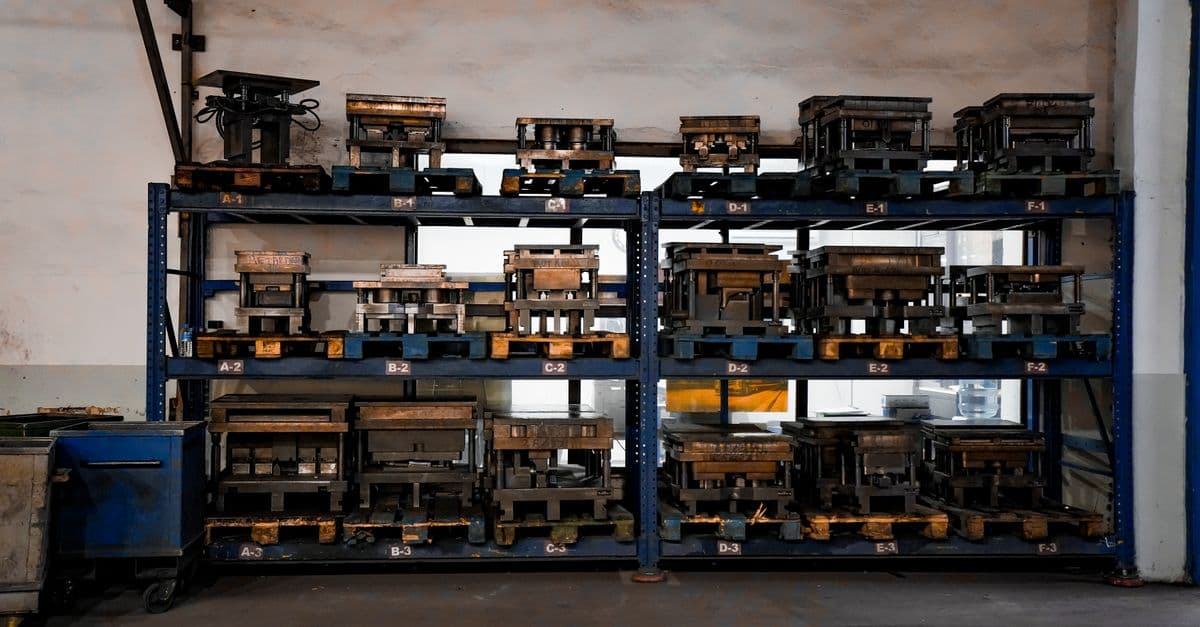
Count spare parts without inventory-day stress: a cycle-count routine
Small, scheduled counts help repair businesses keep spare-parts stock dependable without stopping work for one major inventory day.
Read article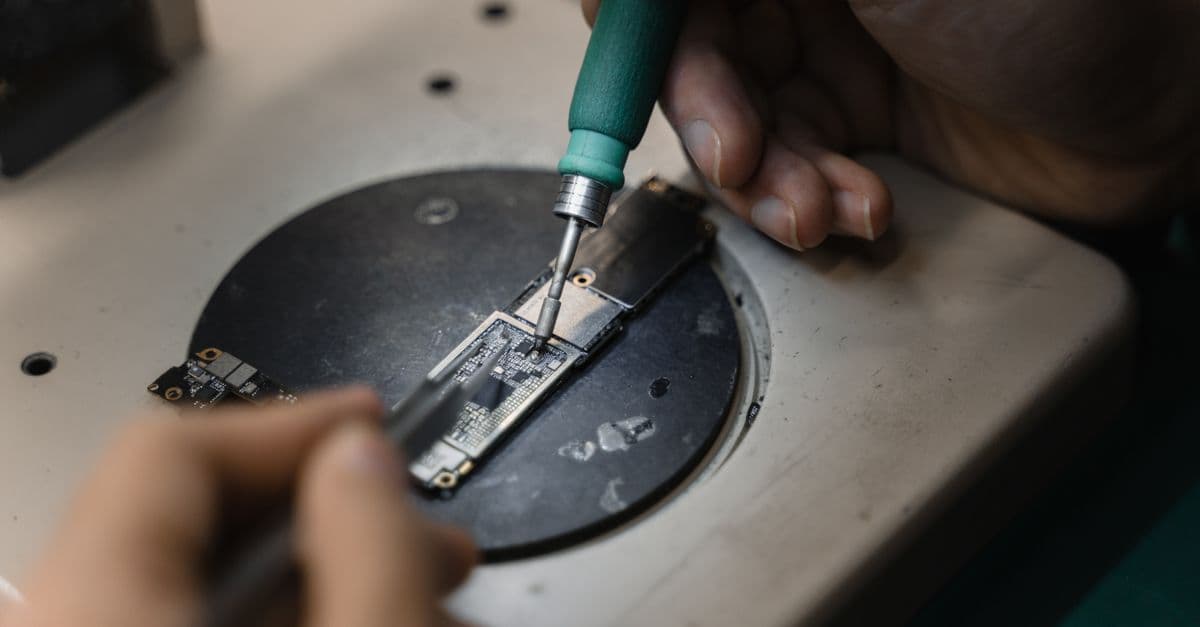
Releasing a repair: the final check before handover
A short, repeatable release check helps repair shops avoid needless returns and keep the repair status clear.
Read articleReady for less paperwork?
Start for free or get advice with no obligation. We set everything up — you carry on with the repairs.
14-day free trial · Setup included · Cancel any time