Order parts without the back-and-forth: 6 checks before you click
Turn a rushed parts order into a dependable workflow with the right item data, clear approval, realistic timing and a direct link to the job.
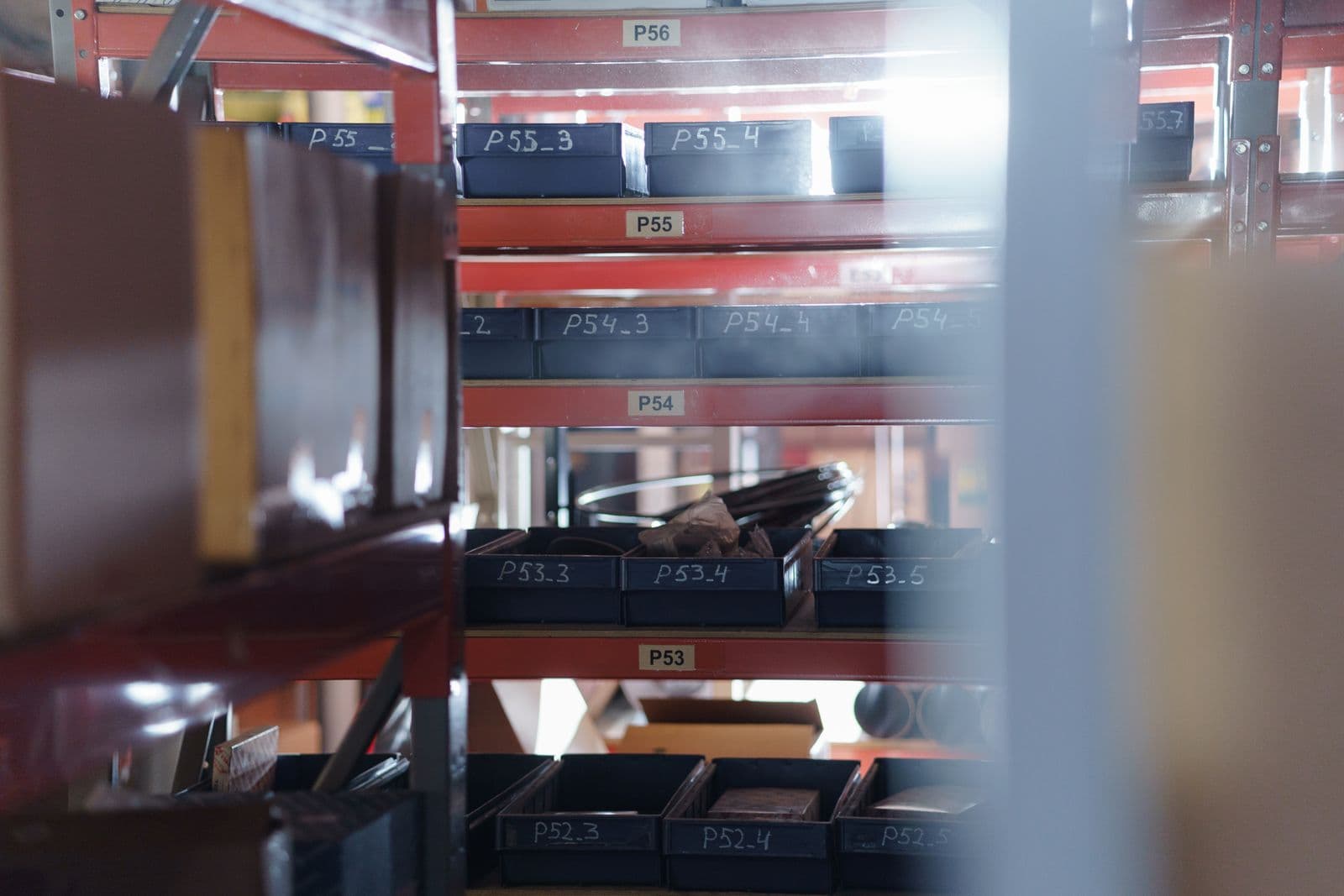
The part is missing, the customer is waiting and the phone is ringing. That is exactly when a purchase gets placed “quickly, on the side”. The trouble appears later: the wrong version arrives, nobody knows which job owns the box, or a date was promised too early.
A good ordering routine does not have to be slow. It needs six small checks before the order goes out.
1. Make the job unmistakable first
An order with no job reference becomes a scavenger hunt. Before ordering, record at least:
- the customer and the vehicle, device or asset
- the fault or requested work
- the internal job number
- who carried out the technical check
This also prevents a familiar mistake: two people order the same item on the same morning because both are thinking only of “Miller’s brakes”.
2. Order by a defining detail, not just a name
A product name is rarely enough when variants exist. Check the detail that makes the part unique: a maker or supplier item number, model, year, dimensions, colour, side, connector or serial number — whichever applies to your work.
If a number is available on the packaging or data sheet, put it on the job. GS1 documents widely used identification keys and barcodes; for a small business, the practical lesson is simple: record the identifier, not merely the memory of it. GS1 identification keys and barcodes.
3. Check quantity, price and availability separately
“Available” does not answer every question. Put these three details side by side before you click:
| Question | Record | Why it matters |
|---|---|---|
| How many? | Quantity needed and stock already on hand | Avoids duplicate orders |
| At what cost? | Unit price, possible extras and currency | Makes approval traceable |
| When, realistically? | Delivery date or delivery window | Prevents premature promises |
If a supplier only gives a non-binding window, pass that on as it is. “Likely Wednesday to Friday” is more useful than a date based on hope.
4. Make extra-cost approval visible
Extra labour, a more expensive substitute or shipping charges change the job. Capture what changes, the revised amount and how approval was received — for example, an email, message or dated call note with the customer’s name.
That is not legal advice; it is a sensible operating habit. The person on the front desk can carry on without having to guess what was agreed.
5. Save the order so another person can take over
A useful order note answers without a call: who ordered what, when, from whom, for which job, at what price and with what expected arrival date? Add the order or reference number and the responsible person.
A digital system can help when it links an order, an item and a job. The important point is not the tool; it is that the whole team can find the same information in one place.
6. Do more than tick a box at goods-in
A delivery is complete only after three checks:
- Is it the right item? Compare item, variant and quantity with the order.
- Is it complete and undamaged? Record discrepancies promptly and photograph them where that is your normal practice.
- Where does it go next? Assign it to the job, store it securely and mark the next action.
That keeps a part from disappearing onto a general shelf while the customer is still waiting for an appointment.
Example: the water pump with two versions
A workshop needs a water pump. Two nearly identical versions appear in the catalogue, but only one matches the engine code. Rather than ordering “water pump for small car”, the service desk records the engine code, supplier item number, delivery window and job number. The customer approves the cost by message. At goods-in, the number on the box is checked against the order and the item goes straight to the job.
The routine takes little longer than an impulse purchase — but can prevent a return, an idle bay and an awkward phone call.
Conclusion
Parts orders become faster not by skipping care, but by using a consistent sequence. Once these six checks are routine, anyone on the team can understand, take over and finish an order cleanly — even on a busy day.
Keep reading
Close the workshop properly: the 15-minute routine for a better morning
A short, consistent end-of-day routine helps workshops, shops and field teams begin tomorrow without searching, unsafe loose ends or forgotten customer work.
Read article
Hand over rental bikes without disputes: a 12-point checklist for shops and workshops
A practical handover routine for small bike and e-bike businesses: check condition, explain use, agree the return and record the essentials without creating paperwork overload.
Read article
Field-service scheduling: turn a busy calendar into a workable day
A practical method for small service and trade businesses: sort jobs, group travel, protect buffers and communicate changes without derailing the day.
Read articleReady for less paperwork?
Start for free or get advice with no obligation. We set everything up — you carry on with the repairs.
14-day free trial · Setup included · Cancel any time