Check test equipment before a repair: A safe start for small workshops
A practical routine for checking meters, leads and the test setup before work begins, with clear boundaries for electrical tasks.
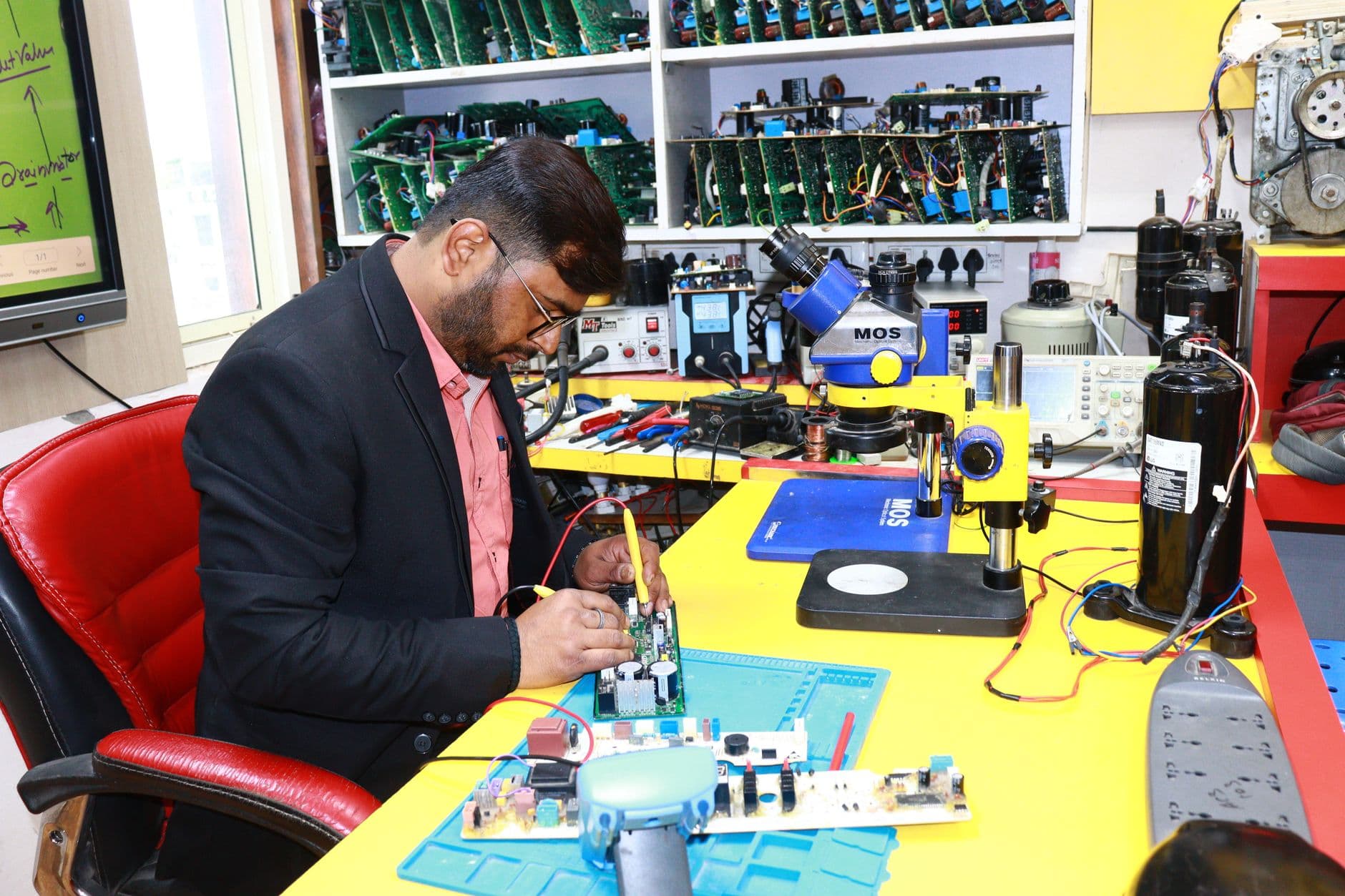
A device is on the bench, the job is urgent, and the meter “worked yesterday”. That is exactly when a quick check of the test setup gets skipped. Yet checking the task, leads and equipment is not administrative overhead: it separates a traceable diagnosis from a guess.
This is an operational routine, not instructions for live electrical work or legal advice. Electrical testing belongs with qualified people following the rules applicable where they work. The European Commission’s CE-marking overview explains the product-marking framework for the EU market; it does not replace a safe method or a check of a specific device.
The three-minute check before measuring
| Question | Quick check | If it is unclear |
|---|---|---|
| Is this the right tool? | Range, accessories and task | Do not improvise; involve the responsible specialist |
| Is the setup intact? | Housing, plugs, leads and probes | Label damaged equipment and remove it from the workflow |
| Is the job clear? | Device, symptom, job record and desired outcome | Record a question or visual check first |
| Can the result be compared? | Starting condition and measuring point | Do not conclude from one isolated reading |
The sequence matters: clarify the task and boundary, choose the tool, then measure. It helps prevent a wrong range or damaged lead from producing a believable but useless result.
Make the record usable by the next person
In the job record, capture what the next person needs: what was checked, which test equipment was used, where it was used and what the result was. Keep open questions open. “Lead visually intact; functional test by qualified person pending” is more useful than “checked”.
Communicate with local context
Technical care is universal; language and responsibilities are not. In Germany and Austria, “qualified electrical worker” may be familiar shorthand; in other markets, naming the responsible qualified person can be clearer. The same rule applies in Czech, Croatian, Slovenian, French, Spanish and Turkish customer communication: never translate a safety promise the business cannot substantiate.
A useful update states the status, not a theory: “We will first assess the fault and the safe test setup. Once we have the result, we will explain the available next steps.” For cross-border work, have local safety, warranty and documentation requirements reviewed separately.
What a digital job record helps with
A central record does not replace expertise. It does keep photos, test context, questions and approvals from being split across a bench, paper note and chat thread. That is especially valuable at shift change or when a customer asks weeks later.
Conclusion
A sound diagnosis starts before the first reading: with an appropriate, intact setup and a clear task. Three minutes do not create a guarantee, but they create a better basis for safe decisions, understandable updates and clean handovers.
Keep reading

Repair or replace: make service decisions traceable
A practical decision record for repair shops that need consistent estimates, approvals and handovers.
Read article
Instant invoice payments: reconcile transfers with confidence
A practical routine for invoice numbers, payment references, and daily matching when customers pay by instant bank transfer.
Read article
Reconciling card payments: a clean daily terminal close
A practical routine for matching terminal totals, receipts, payouts and unresolved differences for each trading day.
Read articleReady for less paperwork?
Start for free or get advice with no obligation. We set everything up — you carry on with the repairs.
14-day free trial · Setup included · Cancel any time