Instant invoice payments: reconcile transfers with confidence
A practical routine for invoice numbers, payment references, and daily matching when customers pay by instant bank transfer.

Instant bank transfers shorten the gap between sending an invoice and seeing money arrive. They do not answer the office’s most important question by themselves: which job does this payment settle? When a customer has several invoices open or types a free-form reference, reconciliation needs a dependable routine.
The EU instant-payments regulation is intended to broaden the availability of instant payments in the euro area; the European Central Bank explains the framework and implementation work. For a small service business, the practical task remains the same: payment, invoice and work performed must be traceable. Regulation (EU) 2024/886 · ECB: instant payments
The reference is the bridge
Give every invoice a short, unique invoice number. Put it prominently in the payment instruction and do not change it after sending. A customer should not have to guess whether “May repair” or “Smith job” is enough.
| Element | Good practice | Why it helps |
|---|---|---|
| Invoice number | One number per invoice | It is searchable and unambiguous. |
| Payment instruction | “Please quote INV-2026-1042” | It reduces free-form text. |
| Amount | Exact invoice total | It exposes partial and combined payments. |
| Customer/job | Stored on the invoice | It helps when the reference is missing. |
Use calm time windows, not constant alerts
“Instant” need not mean manually posting every transfer at once. Set two fixed reconciliation windows, for example before the first appointment and before closing. First match exact invoice-number-and-amount pairs. Then review plausible matches, such as the same customer with a different amount. Keep everything else deliberately on a clarification list.
| Situation | Next action |
|---|---|
| Number and amount match | Apply the payment to the invoice. |
| Number matches, amount differs | Check for a part payment, discount or entry error. |
| Amount matches, number missing | Compare customer and open invoices; do not guess. |
| One payment covers several invoices | Document the split and update balances. |
This prevents a fast transfer being attached to the wrong job. A tool that displays invoice number, job and payment together can support the review; it does not remove the need for judgement on exceptions.
Work across countries: separate the routine from local rules
Germany, France, Spain, Croatia and Slovenia use the euro, where the SEPA context is especially relevant. Czechia and Türkiye have their own currencies and banking rails. For businesses serving customers in more than one country, a neutral core works well: unique invoice number, correct account details, documented matching, and clarification when something differs. Check the rules of the country issuing the invoice for record retention, payment terms and local invoice requirements. This article is not legal or tax advice.
A clarification list protects customer relationships
Do not silently post an unclear payment. Record the received date, amount, visible payer text, possible invoices and next contact. If an allocation changes later, the reason for the balance adjustment remains clear.
Common questions
Must an instant transfer be marked paid immediately?
A confirmed incoming payment can be reviewed promptly. Apply it only when the reference, amount and invoice make sense together.
What if there is no payment reference?
Compare the amount, payer name and open items. If several invoices are possible, ask the customer rather than making an assumption.
Is a weekly review enough?
For small businesses, fixed daily windows are usually clearer: open jobs and questions stay current without interrupting the team for every transfer.
Conclusion
Instant payments speed up cash movement, not the decision about the right posting. A clear invoice number, two reconciliation windows and a documented clarification list turn quick transfers into a calm, traceable process.
Keep reading
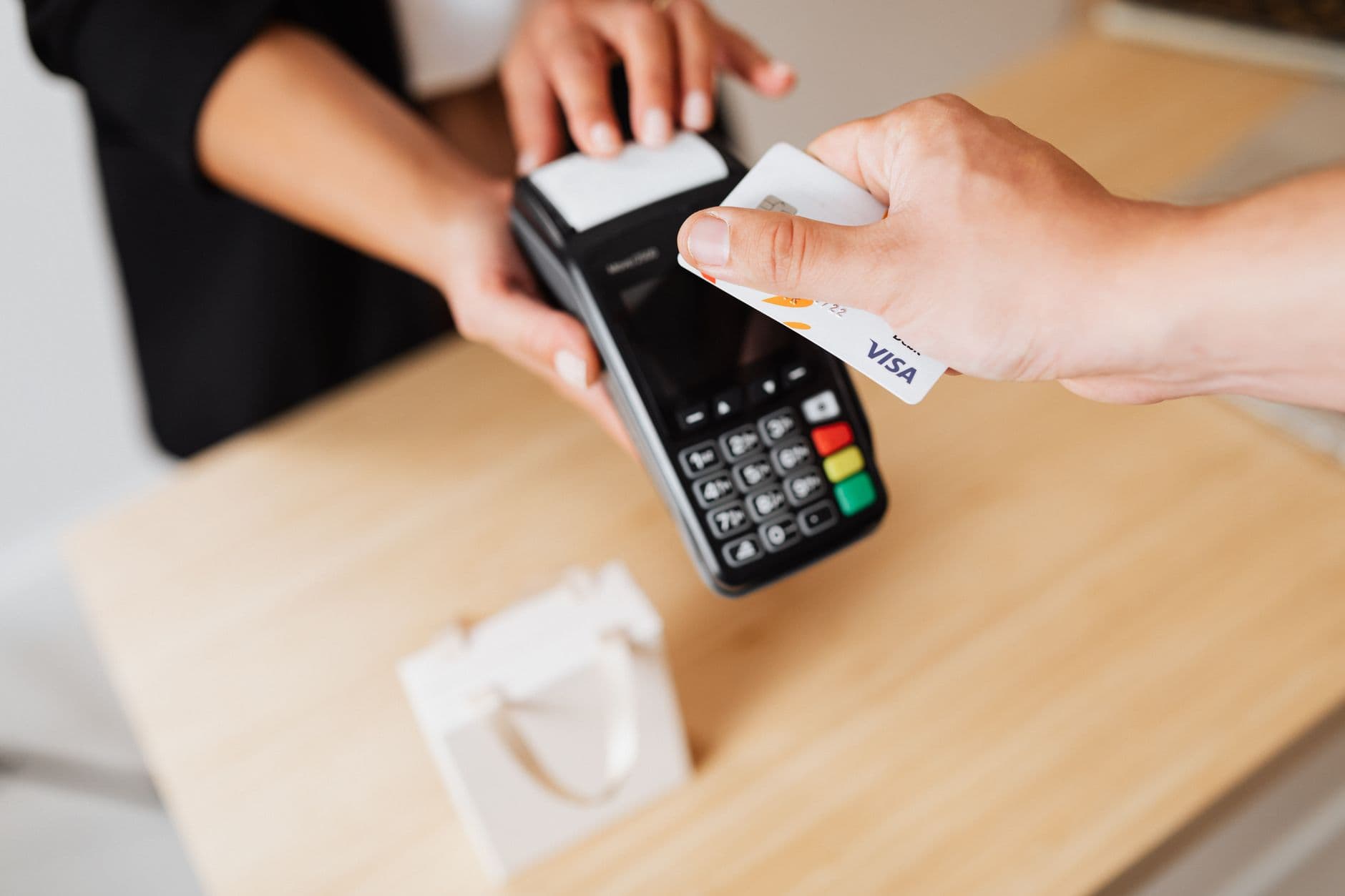
Reconciling card payments: a clean daily terminal close
A practical routine for matching terminal totals, receipts, payouts and unresolved differences for each trading day.
Read article
Service keys at intake: a clear handover routine for repair shops
How repair businesses can link keys, access cards and codes to the right job and avoid confusion when the customer collects.
Read article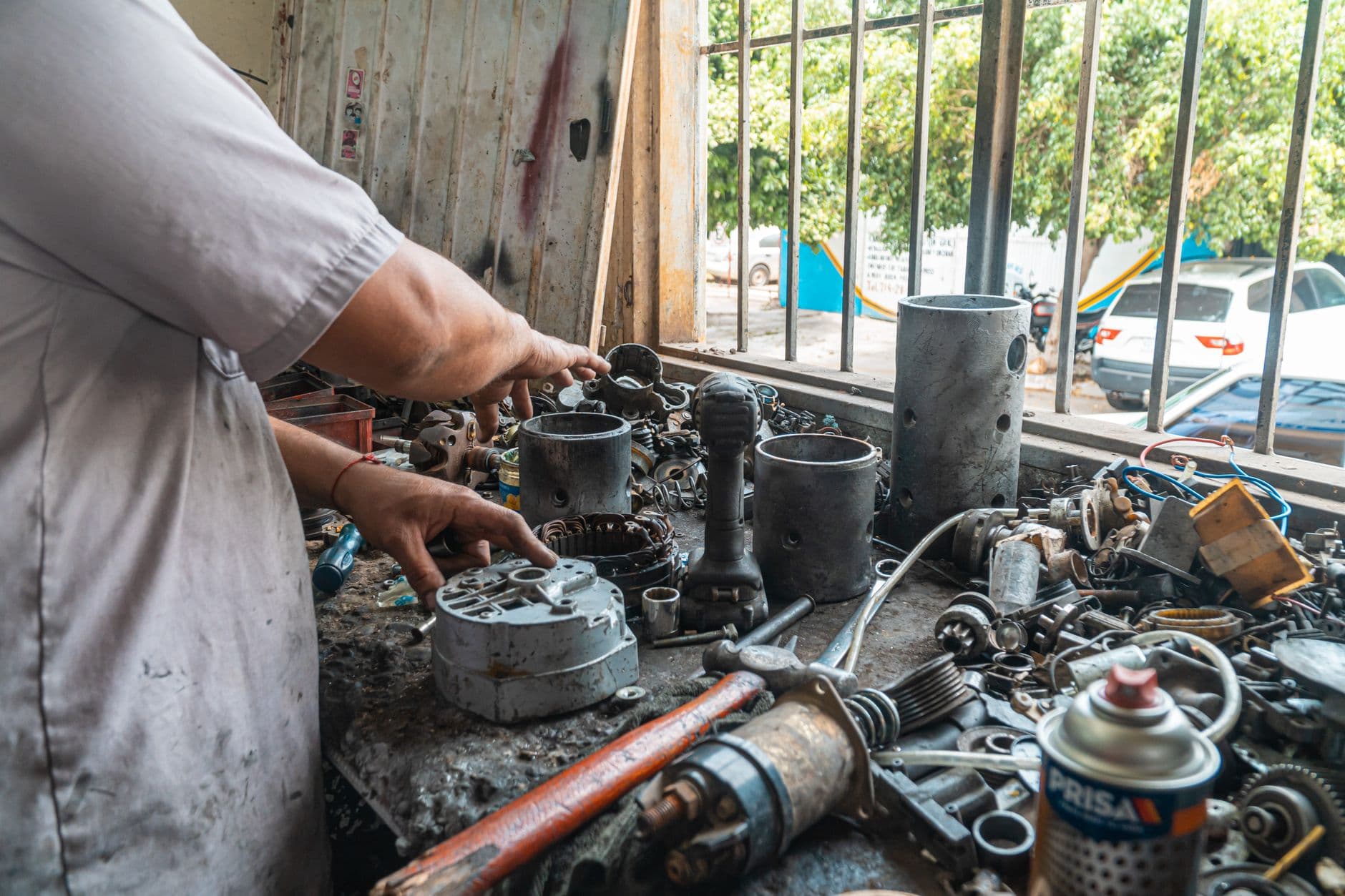
Customer-supplied spare parts: a clear intake process for repair businesses
How repair shops can handle customer-owned parts transparently, surface questions early and prepare work without avoidable delays.
Read articleReady for less paperwork?
Start for free or get advice with no obligation. We set everything up — you carry on with the repairs.
14-day free trial · Setup included · Cancel any time