Service keys at intake: a clear handover routine for repair shops
How repair businesses can link keys, access cards and codes to the right job and avoid confusion when the customer collects.

A set of keys on the counter can look trivial. Without a clear link, it quickly interrupts work: who owns it, which vehicle may be moved and who confirmed its return?
A simple handover routine is about clarity, not distrust. It separates the technical job from the question of who provided access and what must be returned at collection.
Confirm one thing at intake
Ask: “Are you leaving this key for this job, and who may we return it to?” Record the answer on the job immediately. A job-number tag is usually enough; a name, address or fault description does not belong on the key itself.
| Item | Record briefly | Why it helps |
|---|---|---|
| Access item | Key, card or code note | Prevents mix-ups |
| Link | Job number and vehicle/device | Keeps access with the right work |
| Return | Agreed person and contact channel | Avoids guessing at collection |
| Exception | Spare key or restricted access, for example | Gives the team context |
Make each transfer visible
Use one defined storage point, such as a locked job-number cabinet. A counter, tool bench or coat pocket is not a handover step. When responsibility changes, a short job entry is enough: received, used, returned to storage or handed back.
Use local language without overpromising
The routine can be similar in Germany, Austria, Spain, France, Czechia, Türkiye, Croatia and Slovenia, while the message should still sound local. Say “key for your job” when that is clearer than formal access language. Do not make blanket promises about liability or identity checks. Those arrangements depend on the business, contract and local requirements and may need professional review.
A plain message is: “We have recorded your key with your job. We will contact you through the agreed channel when it is ready to return.” It explains the next step without promising more than the business can deliver.
Conclusion
Keys do not require a complicated process. Clear linking, protected storage, a recorded return and understandable language are enough. One central job record — on paper or in job-management software — helps the team stay aligned even across shifts.
Keep reading
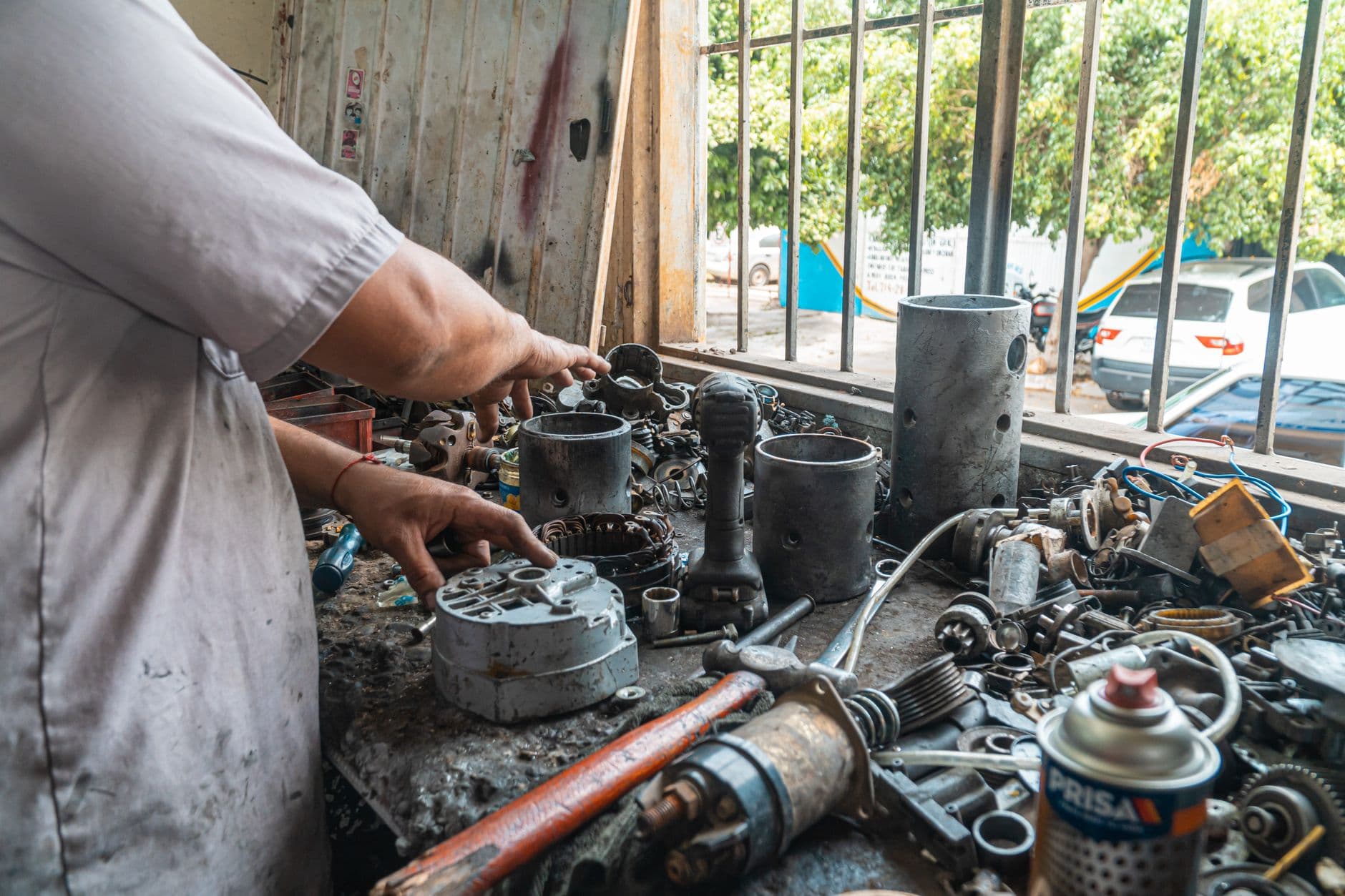
Customer-supplied spare parts: a clear intake process for repair businesses
How repair shops can handle customer-owned parts transparently, surface questions early and prepare work without avoidable delays.
Read article
Workshop shift handover: pass on repair jobs without losing context
A short, repeatable workflow for open repairs, callbacks and parts so the next shift knows what matters straight away.
Read article
Set realistic repair timelines: a workshop process that keeps promises
A practical way for repair businesses to communicate inspection time, parts delays and collection dates without promising an uncertain completion date.
Read articleReady for less paperwork?
Start for free or get advice with no obligation. We set everything up — you carry on with the repairs.
14-day free trial · Setup included · Cancel any time