Liquid-damaged devices: secure first, diagnose second
A calm intake workflow for liquid damage: separate observations, approvals and realistic expectations.
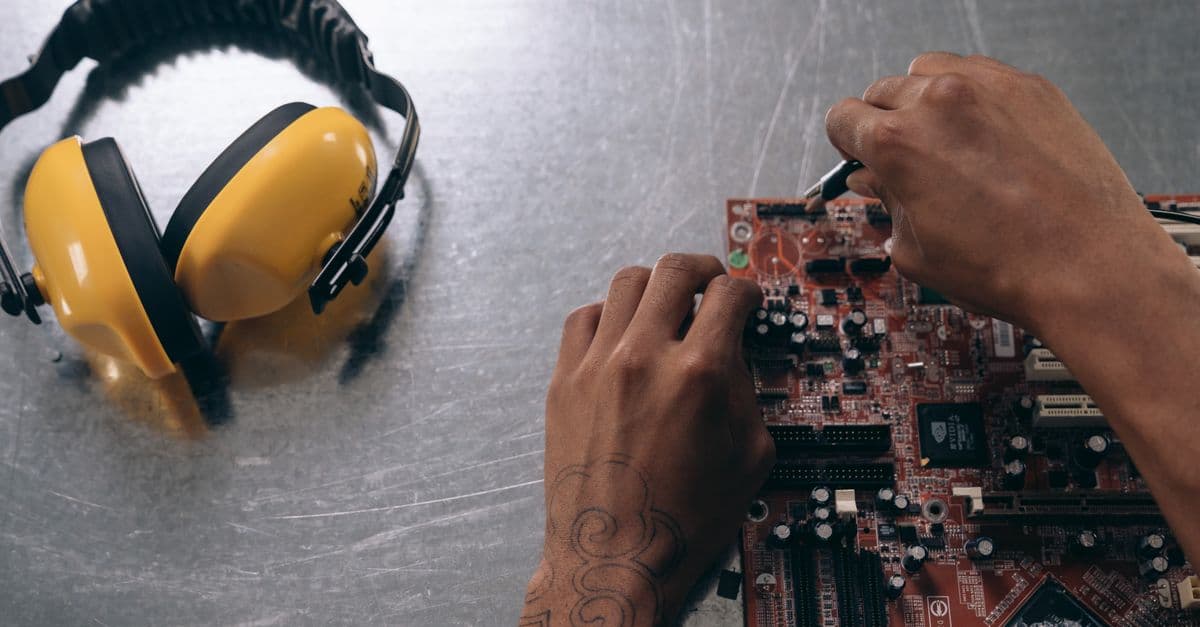
A wet device is not a routine intake. Between “it still worked yesterday” and a defensible diagnosis sit drying, inspection and many unknowns. Explaining that uncertainty clearly at the counter protects both the customer and the team from promises nobody can support.
Keep three layers separate
| Layer | Record now | Leave open until diagnosis |
|---|---|---|
| Observation | visible moisture, odour, corrosion, customer-reported timing | cause and consequential damage |
| Safeguarding | do not charge or power on; identify accessories separately | whether data and components remain intact |
| Instruction | diagnostic approval, budget cap, reachable decision-maker | repair price and outcome |
“Liquid exposure observed” is an observation. “The motherboard has failed” is a conclusion that should wait for diagnosis. Photos can help when they show a technically relevant condition and belong in the repair record.
A workable process on a busy day
- Describe the condition: note the enclosure, ports, display, supplied charger and visible residue.
- Confirm the approval path: who may approve the estimate and any further work?
- Limit the diagnostic work: inspect, clean or dismantle only within the agreed scope.
- Translate the finding: turn a measurement or corrosion location into a plain option: stop, investigate further or repair.
- Record the return: state what was tested, what was not and the condition in which the device leaves.
Country-aware communication without giving legal advice
For cross-border cases, begin with the contract facts: purchase date, seller, manufacturer commitment and place of service. A repair business should not decide in advance whether a warranty or statutory claim applies. A neutral alternative is: “We can document the condition and prepare a diagnostic report; please confirm entitlement with the relevant seller or manufacturer.”
Within the EU, Directive (EU) 2024/1799 provides context for promoting repair. It does not replace a case-by-case assessment or national consumer and contract rules. It does not apply directly to customers outside the EU.
A traceable case file is not more complicated than improvisation. It simply shows what is known – and what can only be decided after diagnosis.
Keep reading
Repairing connected devices: request data access responsibly
A practical workflow for repair businesses that need customer-authorised diagnostic and usage data from connected products.
Read article
Returning a repaired device: A reliable process before shipping
How service businesses can pack, document and hand repaired devices to a carrier with a clear record.
Read article
Supplier price changes: keeping repair jobs on track
A practical workflow for price changes after a quote or parts order, with clear ownership and traceable customer communication.
Read articleReady for less paperwork?
Start for free or get advice with no obligation. We set everything up — you carry on with the repairs.
14-day free trial · Setup included · Cancel any time