Battery repair records: a workable workshop process before 2027
What a workshop should retain when servicing traction and industrial batteries, with EU context, country boundaries and a practical checklist.
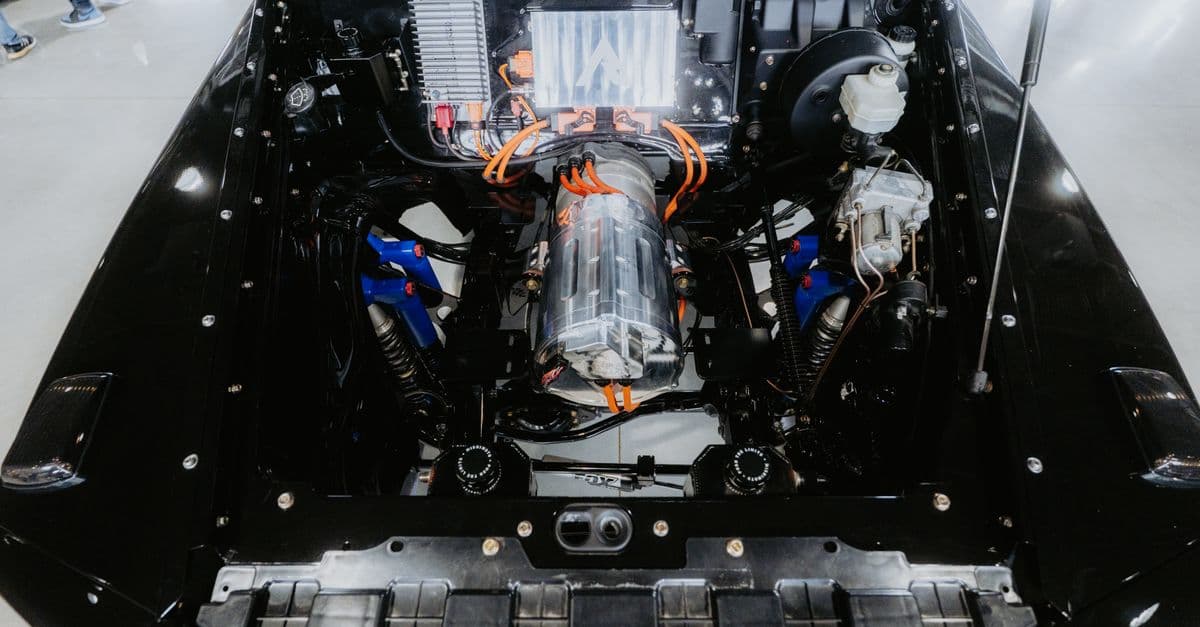
Battery work is not only a technical task. For a traction battery or a larger industrial battery, a clear trail of identification, findings, interventions and handover makes a later case traceable. That supports safety reviews, warranty discussions and coordination with a manufacturer or recycler.
The EU framework is becoming more specific. Article 77 of the EU Batteries Regulation 2023/1542 provides for a battery passport from 18 February 2027 for specified categories, including electric-vehicle batteries and certain industrial and LMT batteries. The party placing a battery on the market or putting it into service may not be the independent workshop that later examines or repairs it. The rule therefore does not make every workshop automatically responsible for issuing or updating a battery passport. It is, however, a good reason to keep repair information in a usable structure.
Keep three records distinct
| Record | Purpose | Useful workshop entry |
|---|---|---|
| Job | What did the customer authorise? | vehicle/equipment, symptom, consent, handover |
| Technical finding | What was observed or measured? | identifier, diagnosis, safety state, test record |
| Parts and work evidence | What changed? | part number, batch/serial reference, action, result |
A vehicle identification number does not always identify the individual battery pack. Conversely, a battery identifier does not need to appear in every customer-facing document. Link the technical identifier to the job internally, and disclose only what is necessary for an invoice, authorisation or safe handover.
A workable process
- Accept safely: Record visible damage, warnings and the agreed work. If thermal, mechanical or electrical danger is suspected, follow the maker’s instructions and site safety rules before ordinary diagnosis.
- Identify the object: Record maker, model, battery type and available identifier. Take photos only for a defined purpose and store them with access controls.
- Capture the starting state: Save fault codes, measurements, state of charge and diagnostic method, with date and responsible person.
- Describe the intervention: Replace “battery repaired” with a traceable description of the module, connector, enclosure part or software action, including part provenance where available.
- Test and hand over: Record the result, remaining warnings, limits of the test and customer-facing handover notes clearly and separately.
Start with country and role
The Regulation applies directly in the EU, while rules on safety, waste, warranty, data protection and the responsibilities of producers or collection schemes can be administered nationally. For a workshop in Germany, Austria, France, Spain, Czechia, Croatia or Slovenia, the first question is its role: repair provider, seller, manufacturer representative or waste holder? The European Commission’s batteries overview is a useful EU starting point; check national rules and manufacturer information for a specific job.
In Türkiye and other non-EU countries, the Regulation does not apply directly. It may still matter where an EU customer, a manufacturer agreement or a cross-border supply chain asks for evidence. A factual repair file can support that exchange, but it does not replace checking the governing contract and law.
A useful step before 2027
Do not wait for a new mandatory field. Trial the process on a few upcoming jobs: can intake, diagnosis and handover use the same identifier? Are parts and final tests captured? Can the job be handed to a maker or specialist without reconstructing the story? It is easier to close those gaps in routine work than during a safety incident.
This is operational guidance, not legal advice. It does not replace maker instructions or applicable national technical and safety requirements. It does make visible the information that a safe, traceable repair process already needs.
Keep reading
Plan workshop capacity with the local calendar: absorb peaks before they become chaos
A practical way to turn public holidays, school breaks and seasonal demand into realistic service capacity.
Read article
Invoice numbers in a service business: a traceable workflow without wasted numbers
A practical routine for unique invoice numbers, corrections and daily checks, with EU rules and cross-border work in view.
Read article
Replacement-part approval: record the decision before installation
A practical workflow for alternative parts, changed prices and customer approval that remains easy to trace.
Read articleReady for less paperwork?
Start for free or get advice with no obligation. We set everything up — you carry on with the repairs.
14-day free trial · Setup included · Cancel any time