Kartenzahlungen abstimmen: Tagesabschluss und Karten-Terminal sauber abgleichen
Ein praxistauglicher Ablauf, um Terminal-Summen, Belege, Auszahlungen und offene Differenzen je Geschäftstag nachvollziehbar abzugleichen.
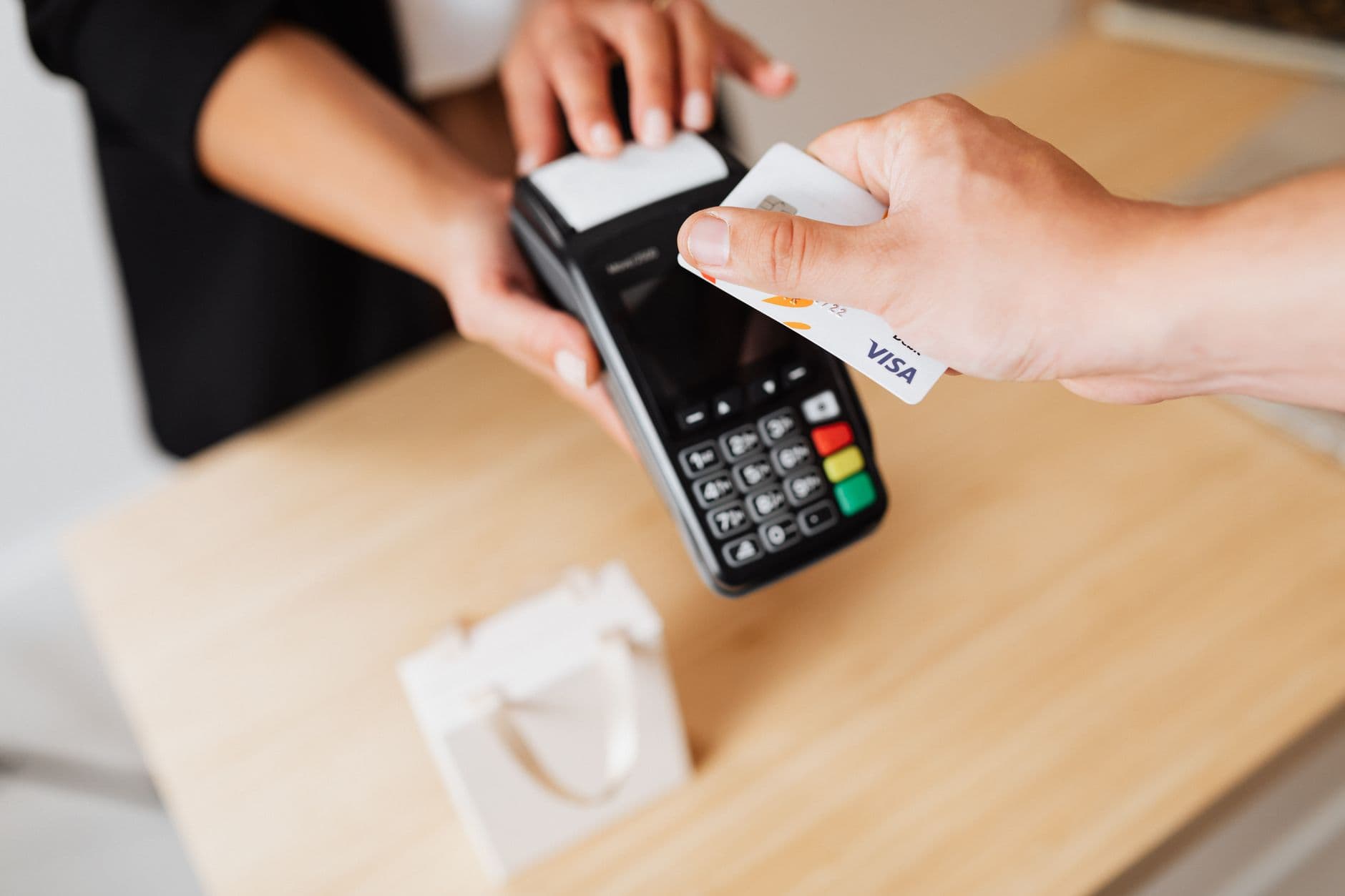
Kartenzahlungen sind nicht automatisch abgeglichen, nur weil das Terminal einen erfolgreichen Tagesabschluss meldet. Zwischen Zahlung am Gerät, Beleg, Händlerauszahlung und Buchung können Zeitversatz, Storno oder eine falsche Zuordnung liegen. Ein fester Ablauf macht diese Unterschiede sichtbar, bevor sie sich über Wochen summieren.
Vier Werte, die zusammenpassen müssen
| Prüfung | Quelle | Frage |
|---|---|---|
| Terminal-Summe | Tagesabschluss oder Händlerbeleg | Welche Zahlungen wurden verarbeitet? |
| Vorgangs-Summe | Kasse, Auftrag oder Rechnung | Welche Zahlungen wurden dem Geschäftstag zugeordnet? |
| Auszahlungs-Summe | Abrechnung des Acquirers oder Zahlungsdienstleisters | Was wird nach Gebühren ausgezahlt? |
| Bankeingang | Kontoauszug | Ist die erwartete Auszahlung eingegangen? |
Vergleichen Sie zuerst Brutto-Werte: Terminal und Vorgangssystem sollten für denselben Geschäftstag dieselbe Zahlungssumme erklären. Die Auszahlung darf davon abweichen, wenn Gebühren separat abgezogen werden oder der Anbieter gesammelt und zeitversetzt auszahlt. Genau diese Logik sollte in Ihrer Buchhaltung nachvollziehbar dokumentiert sein.
Differenzen nicht mit einer Sammelbuchung verdecken
Eine Differenz ist ein Rechercheauftrag, keine Rundungsposition. Häufige Ursachen sind abgebrochene Zahlungsvorgänge, nachträgliche Rückerstattungen, ein Terminalabschluss über Mitternacht oder eine Zahlung, die im Auftragssystem nicht dem richtigen Vorgang zugeordnet wurde. Halten Sie mindestens Zahlungsdatum, Betrag, Referenz und Bearbeitungsstand fest. Sensible vollständige Kartendaten gehören weder in den Auftrag noch in eine Notiz.
Der richtige Zeitraum zählt
Ein Terminaltag, ein Kassen-Tag und ein Bankwertstellungstag können unterschiedlich sein. Legen Sie deshalb vorab fest, welche Quelle den operativen Geschäftstag bestimmt und wie Auszahlungen zugeordnet werden. Prüfen Sie dazu die Abrechnungslogik Ihres Acquirers; Karten-Schemes beschreiben für Händler beispielsweise eigene Verfahren für Streitfälle und Rückbelastungen in ihren offiziellen Ressourcen, etwa bei Visa. Das ersetzt keine individuelle Prüfung Ihres Vertrags oder Ihrer steuerlichen Behandlung.
Ein Prozess, der auch bei Urlaub funktioniert
Der Abgleich sollte nicht von einer Person oder einem Gedächtnis abhängen. Ein gemeinsames Tagesprotokoll mit vier Spalten — geprüft, Differenz, Ursache, erledigt — genügt oft. Eine Auftragssoftware kann Belege und Zahlungshinweise am Auftrag bündeln; entscheidend ist jedoch die regelmäßige Kontrolle der Auszahlungs- und Kontoseite.
Fazit
Wer Terminal, Vorgang, Anbieterabrechnung und Konto getrennt betrachtet, erkennt Abweichungen schneller und kann sie belegen. Ein kurzer täglicher Abgleich ist meist leichter als eine große Nachforschung am Monatsende.
Weiterlesen

Schlüsselübergabe in der Werkstatt: ein klarer Ablauf für Annahme und Rückgabe
Wie Reparaturbetriebe Schlüssel, Zugangskarten und Codes eindeutig einem Auftrag zuordnen und Missverständnisse bei der Rückgabe vermeiden.
Artikel lesen
Mitgebrachte Ersatzteile: Ein klarer Annahmeprozess für Reparaturbetriebe
Wie Werkstätten mit kundeneigenen Teilen transparent umgehen, Risiken früh ansprechen und Aufträge zügig vorbereiten.
Artikel lesen
Schichtübergabe in der Werkstatt: Aufträge ohne Informationsverlust weitergeben
Ein kurzer, wiederholbarer Ablauf für offene Reparaturen, Rückrufe und Teile – damit die nächste Schicht direkt weiß, was zählt.
Artikel lesenBereit für weniger Papierkram?
Starten Sie kostenlos oder lassen Sie sich unverbindlich beraten. Wir richten alles ein — Sie machen weiter Reparaturen.
14 Tage kostenlos testen · Einrichtung inklusive · Jederzeit kündbar